The way to make seasonal care of your outdoor surfaces in Australia is to go with the weather rather than oppose it. Put off sealing until you have a dry, stable surface, keep an eye on drainage ahead of any downpour, shield timber from the UV rays and put organic matter out of its way before it can turn to mould.
Cassian Hughes here. One learns after a number of years outdoors in Western Australia that a patio does not so much fail as it does deteriorate in an unassuming fashion. There will be a crack in a joint or a downpipe clogged up and then a week of rain makes of the whole affair a backyard whodunnit. In this guide I set out how to handle each season in Australia, with an eye to regional variations, safety, what to expect in costs and the like.
Put Together A Maintenance Plan For The Year
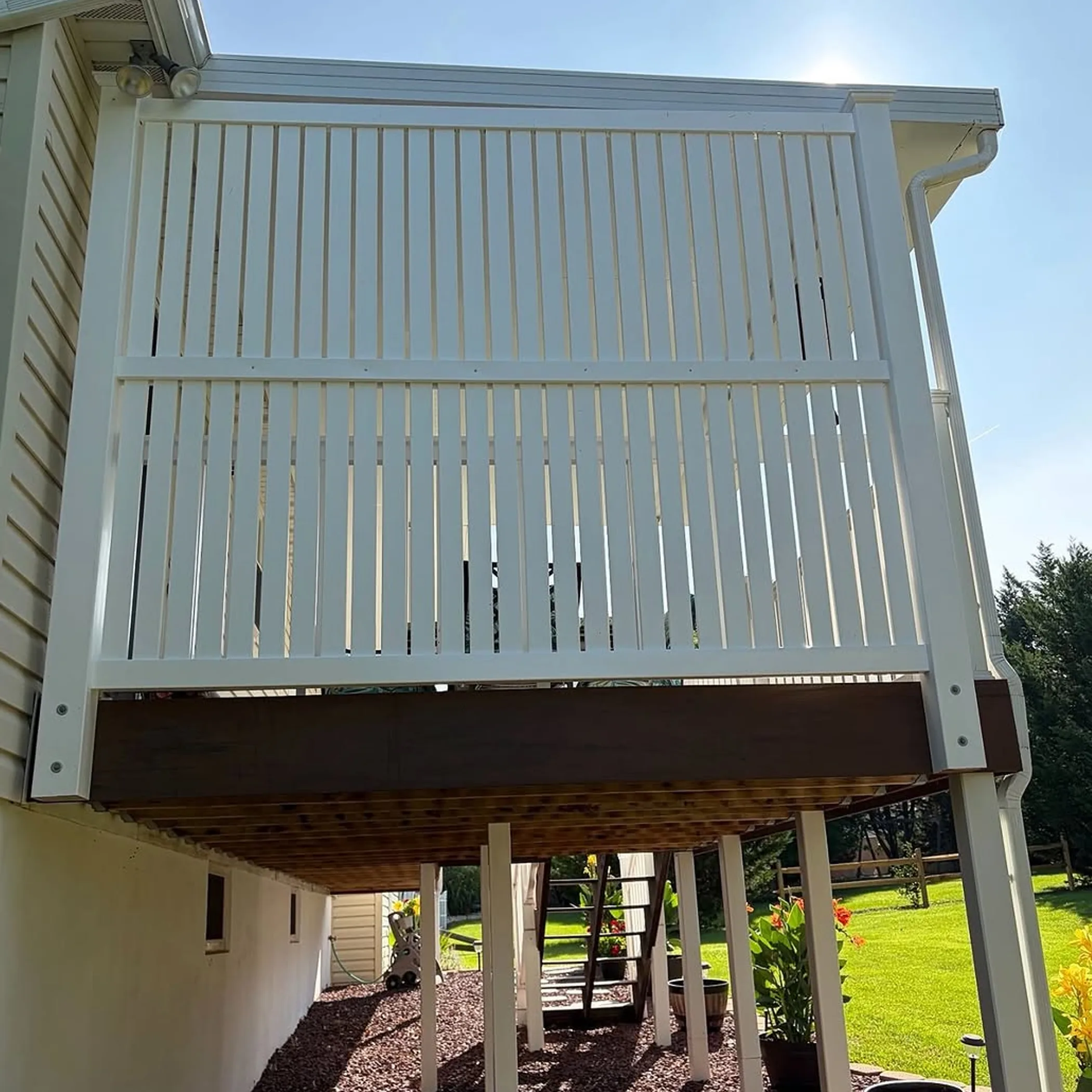
You do not want to be shelling out for something urgent when a little maintenance would have been enough. Following these paving maintenance essentials will see your outdoor living areas better able to stand up to shifting weather, stains, moisture and the stress of heat and UV.
Conditions are local. In Melbourne one has to be on top of dampness and moss; Perth requires more in the way of protection from the sun and aridity; in the north you are planning for cyclone alerts and wet-season rain from November through April.
Let The Weather Be Your Guide
Three things are called for in most cases: some structural inspection now and then, seasonal cleaning and regular clearing. Get rid of spills and sweep the soil and leaves. And for the most part you should wait 24 to 48 hours of dry weather before putting down a sealant, though the surface moisture and what the label says is of more import than the date. Do not attempt to seal in extreme heat, before a rain or if there is dew about at night.
| Season | Main Risk | Priority Action | Typical Time |
|---|---|---|---|
| Summer | rapid drying, heat and UV | inspect movement joints, rinse and put in shade | 30-60 min every fortnight |
| Autumn | blocked drains and organic debris | clear the downpipes, gutters and leaves | 2-4 hrs to do a proper job |
| Winter | slippery ground, mould and moisture | fix any drainage issues and get some air moving | 30 min following heavy rain |
| Spring | damage from the elements, cracks and old stains | reseal as you see fit and give it a thorough clean | half to a full day |
Consider that 10 mm of rain over a square metre is 10 litres of water. So a 50 sq m patio is looking at 500 litres or so. It is why a badly graded surface or a drain that is not working becomes an issue in no time.
Summer Protection
Start thinking about it well before the first hot spell. The sun will fade the timber, warm the concrete and cause some sealants to let go. Then there are the barbecues, the muddy shoes and the odd drink put down too hard; a bit of routine is better than having to put in a heroic effort when the season is done.
Reduce Heat And UV Damage
To spare your surfaces from UV and heat, shift the furniture around so one part does not look different from the next. Keep plastic sheeting off as it holds in condensation, a breathable cover is preferable. Leave airflow around timber decks, stored cushions and outdoor cabinets.
On the coast you need to rinse fine grit and salt from the surface, for it will draw in moisture and wear down the joints. Here in Perth and elsewhere in WA I would check the timber more frequently, the dry heat has a way of making boards split or the edges raise.
And never pressure-clean when it is hot. Cold water on stone or concrete that is overheated puts undue thermal stress on it and the force of it can drive water into places it should not be.
Manage Summer Spills Quickly
When you have a spill of oil or grease, blot it. A soft brush with some mild detergent and warm water will do on the right kind of surface, but test it first in a spot that is not obvious, particularly with coloured concrete or natural stone.
Some think stronger is better and resort to harsh acids or undiluted disinfectant. You may get the stain out but you will have etched the stone or stripped the coating and it will show for it.
An Autumn Reset

Between the summer and the wetter times ahead autumn is when to do some housekeeping. All the dust, seed pods and leaves find their way into the nooks and between pavers and by the drains where they foster mould. There is no better time to put in some seasonal maintenance on an Australian patio than now, as the work is generally less of a chore before winter takes hold. While one can still find decent drying conditions in most parts of the country, a glance at the local forecast is prudent prior to any sealing or a thorough clean.
Dealing with Debris and Rain
Organic matter should be taken off deck gaps, stairs, paving, garden edges and drainage channels. Gutters and downpipes are to be cleaned to ensure roof water makes it to where it is supposed to go instead of running over patios or collecting by the foundations.
- Do not forget to sweep or vacuum the odd bit of debris from corners and joints.
- Check that downpipes discharge away from walls and paved areas.
- Weeds ought to be pulled before their roots have a chance to spread in the joints.
- Under furniture there may be discolouration, mould or a film that is slippery.
- Make note of any damaged grout, cracks or boards that are loose for when they can be put right.
I was once working on a property out in Exmouth and found the fine grit under the mats and chairs more of a shock than the sand one would expect. Get damp and it is like having sandpaper under anything you move. So I would advise lifting and cleaning your outdoor pieces before winter sets in to avoid unexplained scratches.
Water Flow And Access
If it is safe to do so, take a walk around after a rain or while it is coming down. See if any puddles linger once the rest of the surfaces are dry and if gates or paths have become hard to negotiate. For a patio of modest size, an autumn job of this nature will run two to four hours with all the moving of furniture and checking of drainage. Make allowances for more time if the garden is large or has been neglected for a few years.
Managing Moisture In Winter
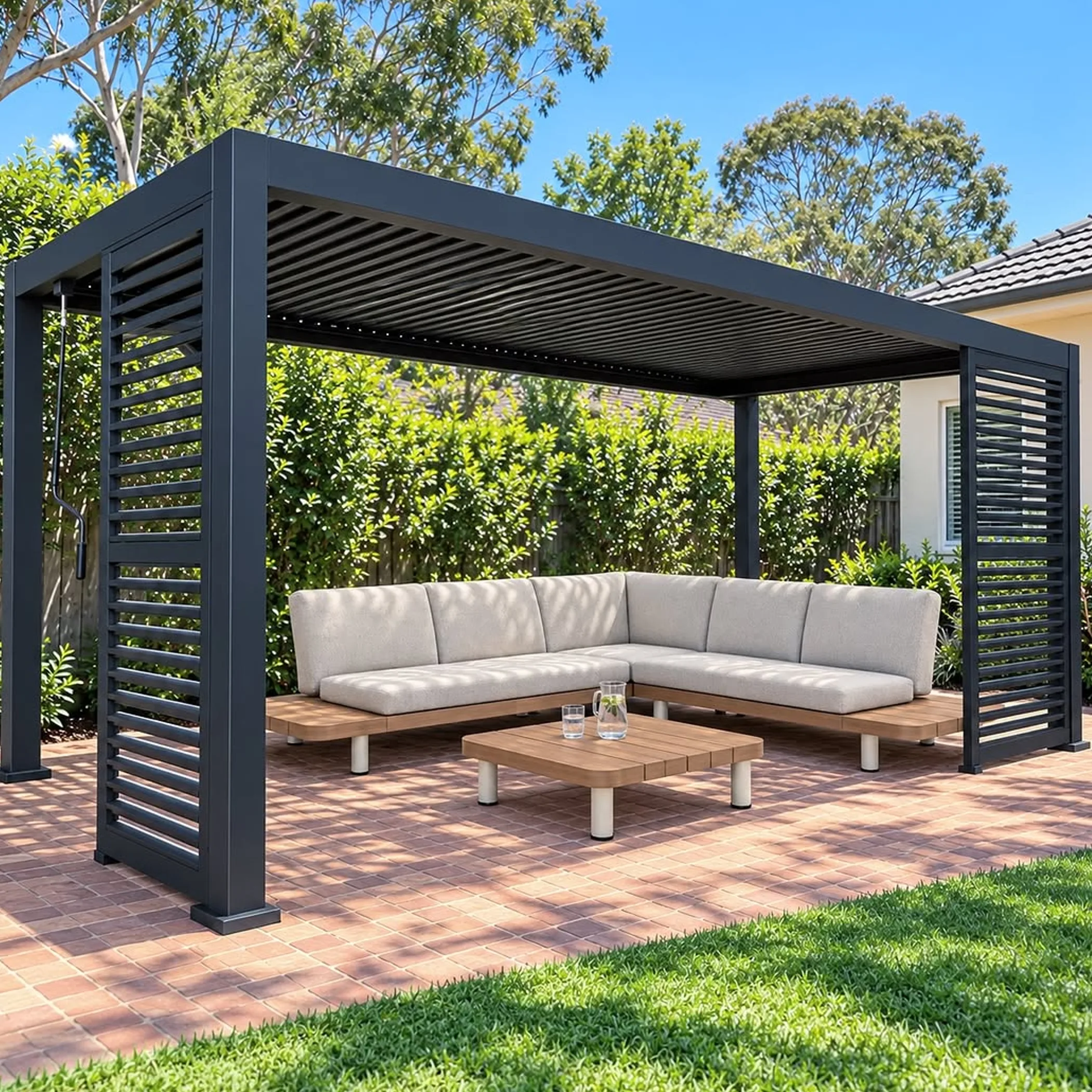
In the main, what winter maintenance comes down to is moisture control. It is not the water per se but what happens when it is trapped and slow to dry. The season also has a way of exposing minor defects: a paver rocks under your foot, timber does not dry out, a concrete crack is full of dirt or a corner in the shade gets slick. Heed these things early to preclude an accidental somersault in the backyard.
Improve Airflow And Drainage
For better airflow and drainage, do not put impermeable mats on a damp surface and leave furniture a little distance from the wall. A breathable cover is best, and it should come off after wet weather to let the surface dry. When the rain has been heavy, inspect the channel drains, grates and downpipes. Roof water should not be channeled at a retaining wall or the edge of a slab. Should water pool near a building on a regular basis, get some professional advice on drainage, do not put another coat of sealant on it and hope for the best.
Inspect For Structural Movement
Structural checks are of more import than cosmetic ones on a surface that has to bear a vehicle or people. Watch for rust staining, soft timber, handrails that are not secure or any movement in the steps. If a step gives way or a board is not to be trusted, put the area out of commission. Any defect impacting stability or waterproofing calls for a tradesperson.
A Post-Winter Review
Spring lends itself to a good inspection and pre-summer sealing. The long days are conducive to a proper clean and to letting things dry. But do not be in a hurry to put on a sealer. There may be efflorescence or moisture still present; the surface has to be sound first.
Deep Clean With Care
Use a soft brush and mild detergent for the usual grime after you have done a dry sweep. With stubborn mould a cleaner suited to the material is in order, see to the dilution and dwell times. One can pressure wash certain paving or concrete but do not blast the nozzle into the timber grain or stone, keep it in motion. Have your gloves and non-slip shoes on and shield the plants.
Seal Only When Ready
Not every stone requires the same treatment when it comes to cleaning and sealing to ward off stains. Porous types might do well with a sealer that is compatible and breathable, polished materials call for something else. As for concrete, there may be a need for a protective coating and some joint and crack work. Sealing is no answer for a slab on its last legs or bad drainage.
Be prepared to set aside the time. You will have to put the furniture away for the day or more while the product cures, and make sure children and pets are kept clear.
Match Care To The Surface

There is no uniform way in which materials will stand up to the elements, be it friction, chemicals, water or the sun. One does not want to make the error of putting a timber deck through the same treatment as concrete, or a tiled bathroom floor and natural stone; surface-specific care is what is required.
Err on the side of caution. The conservative way is to put dirt out with the mildest means that will do the job, making a test run first and desisting should any alteration in sheen, texture or colour become apparent.
Timber And Composite Decking
A timber deck calls for some regular sweeping and an eye for splinters, soft spots, cupping or anything loose in the fixings; spills must be dealt with straight away. Use a timber cleaner of the right sort but do not let the boards stay wet too long.
In Australia one is often faced with a choice over the deck’s looks versus its longevity. Oils will put some richness into the colour at the cost of having to reapply them. Film-forming coatings are protective yet prone to peeling if the timber has not been properly prepped or is damp.
Composite decking is less demanding in terms of coating upkeep but shaded parts will still see their share of mould, grease and dirt. Do not be under the impression that because it is composite it is without maintenance. It is not a robot, it requires a broom. Heed the manufacturer on this.
Stone Pavers And Concrete
With stone pavers one has to look after the joints and be mindful of movement, moss and staining. Unless the manufacturer and the stone itself are amenable, keep acidic products at bay. They can dull calcareous stones in a permanent way.
As for concrete, get at oil and grease stains and have a look at the cracks and joints. Do not use non-breathable coatings to lock in moisture; a clean looking surface may well conceal settlement or drainage issues.
Lawns And Garden Edges
Let the type of grass, soil and local rainfall dictate the lawn care calendar in Australia, not some national standard. See that lawn edges do not encroach on drainage channels and that irrigation is not in constant spray on walls, paving or timber.
Where the climate is wet, mowing saturated grass will only compact the soil and invite disease. In drier country water restrictions come into play. The patio and the lawn are neighbours and if soil and water are free to migrate one will be a nuisance to the other.
Use Your Tools And Treatments With Some Discretion
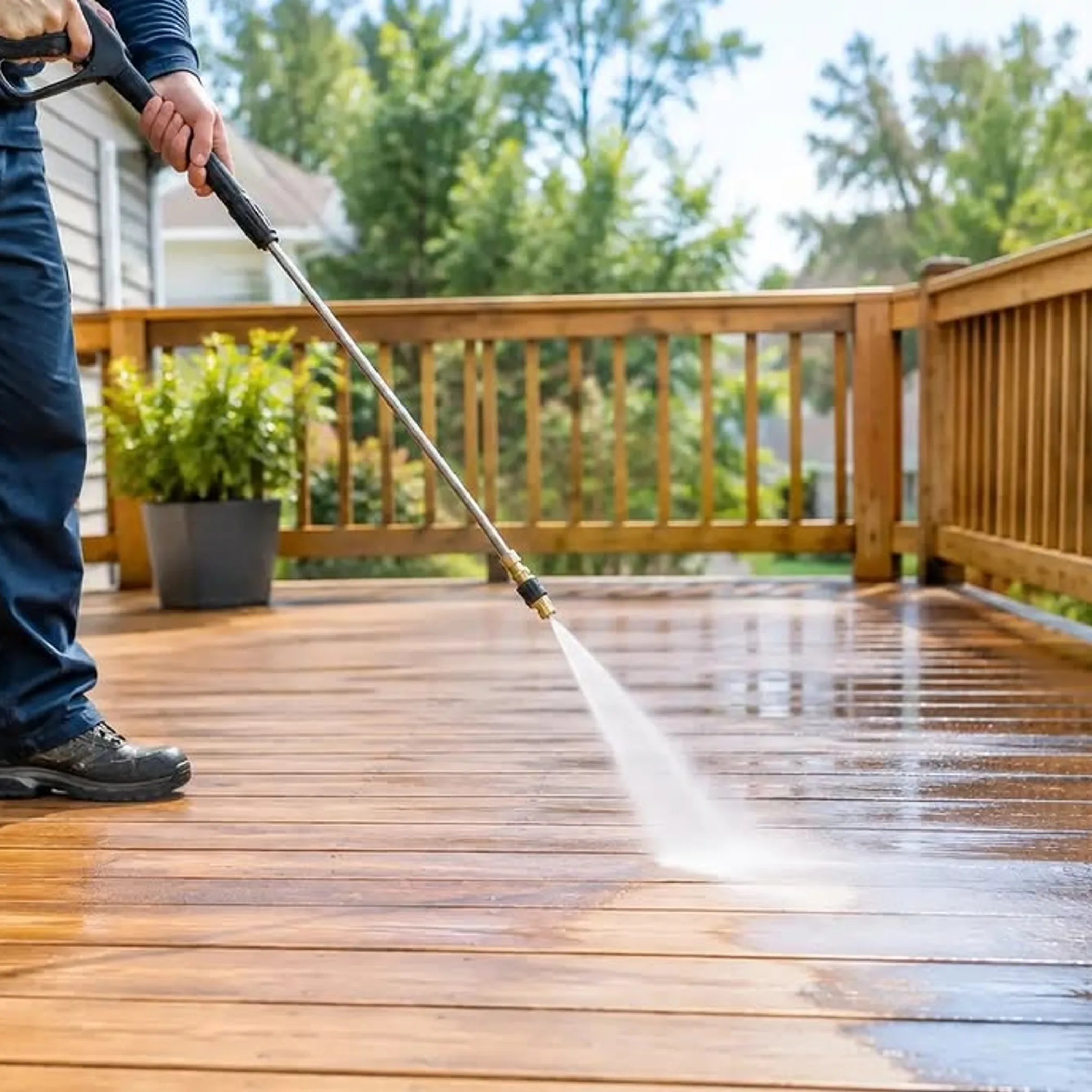
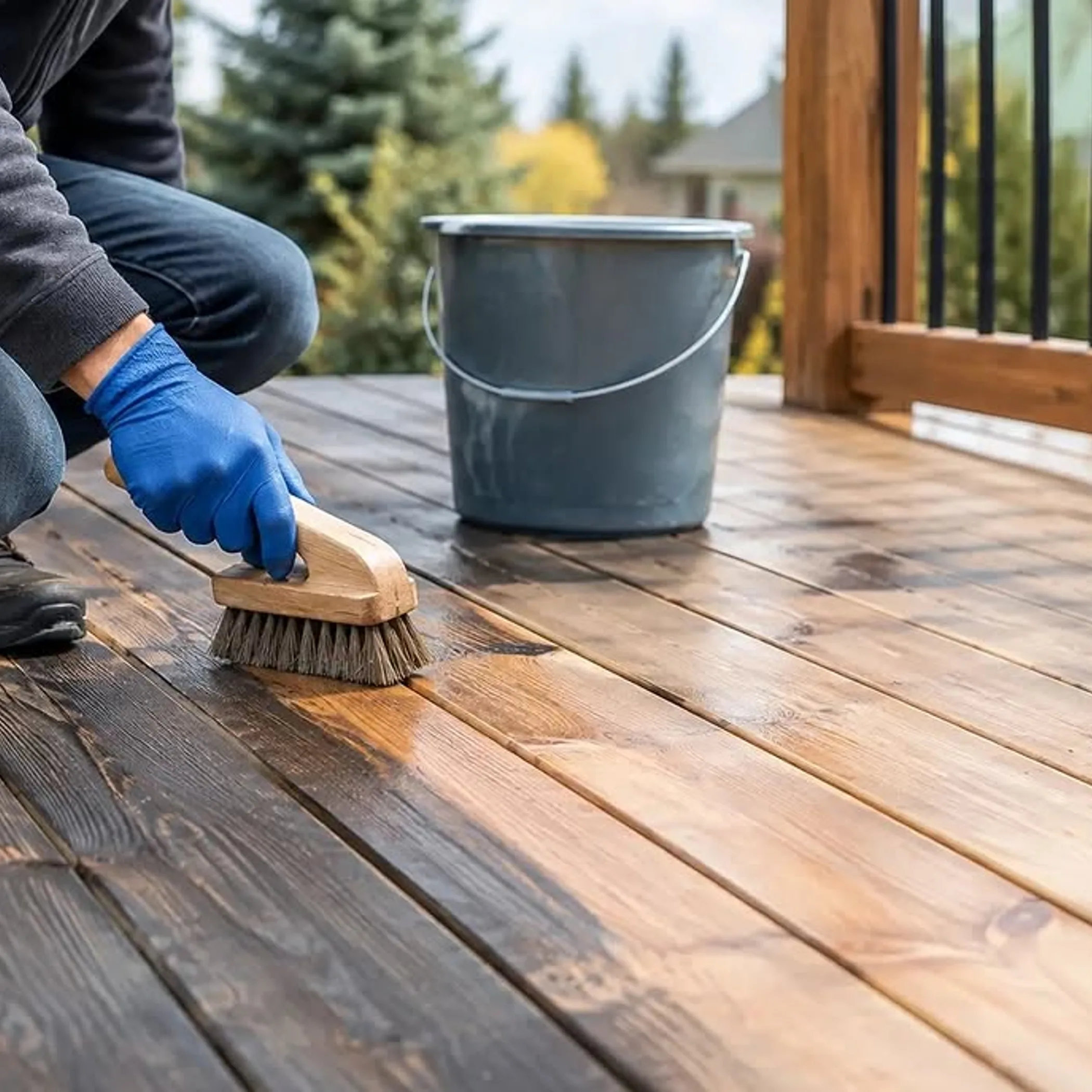
Maintaining outdoor paving well is not a matter of having a garage full of contraptions. Routine work can be done with a bucket, hose, gloves, eye protection and a stiff broom that is fit for purpose, provided there is an awareness of moisture.
Protective treatments should be suited to the exposure and finish of the material. Even the most weather-resistant product is only as good as the preparation, drainage and inspection behind it.
A Maintenance Kit To Have On Hand
- Have a mild detergent, dustpan, soft brush and broom and bucket to hand.
- Only introduce a spot cleaner once you have read the label and examined the surface.
- If in doubt about sealing, have a professional opinion or use a moisture meter.
- Make sure safety glasses, gloves and any breathable covers are put away in a dry, clean place.
- It is worth keeping a note of sealers, repairs and problem areas along with the date of cleaning.
For budgeting purposes allow AUD 20–50 on the basic tools and perhaps AUD 40–150 for the right treatment products, more so for specialist work. These are figures for planning, not a quote, as costs will be dictated by the area, access, labour and the like.
Making Allowances For Where You Are
One cannot have a single maintenance calendar for all of Australia. From the tropics in the north to inland, Perth and Melbourne, the mix of wind, salt, heat and rain and how long things take to dry is quite varied.
Regional planning is simply a case of doing the same jobs in the weather window where they have the best prospect of success, nothing more complicated than that.
Melbourne And Southern Climates
The cooler, wetter times in Melbourne will mean dampness lingers longer on any deck or paving in the shade. Make a point of safe footing, good airflow and keeping the gutters free of debris as well as any moss. With dry days in short supply at times, spring cleaning is best done with some flexibility.
Perth And Western Australia
The climate in Perth and most of Western Australia calls for an eye to be kept on the UV, dust, coastal salt and the dry heat. It is wise to do your sealing and cleaning when the day has not yet reached its peak temperature; have a look at the timber for any raised fixings, shrinkage or checking.
Out in the Pilbara and similar remote country, what water one can put to use and access will dictate the maintenance schedule. Be responsible in the storing of water and shun any superfluous runoff. Leave the more involved work for when the travel and the extreme heat are not an issue.
Tropical And Inland Areas
Poor drainage will be swamped by the wet season in no time in tropical Queensland or the Top End. Roof water routes should be cleared ahead of it, and cyclone warnings heeded. Put away anything light weight, covers and loose furniture if severe weather is in the offing. Do watch for mould.
Inland, joints and coatings are put under duress by the dust and the wide swings in temperature. One should not put off an inspection until the next annual tidy up but do so after a spell of hard rain, wind or heat.
Some Maintenance Questions Answered
Outdoor surfaces are subject to a number of hazards simultaneously which is why these questions are asked so often. The following are brief answers that are realistic, safe and practical for an Australian home.
2026 Landscaping Trends?
You will see a move towards outdoor living that does not require much upkeep, materials that can stand up to the weather, better shade and drainage and planting with water in mind. But there is no need to go after a certain aesthetic; pick layouts and materials that are right for the local conditions, be it the salt, rain or heat, and the time you have to maintain them.
Spring Gardening?
See to the gutters and edges of the garden, check the irrigation and get rid of organic matter. Fix any drainage and make sure plant roots are not encroaching on paving joints. Before the outdoor furniture is put back out, give the surfaces a clean and ensure lawn watering is not making a habit of wetting the deck or walls.
Maintenance For Summer Surfaces
A regular sweep, a rinse to remove salt and dust and prompt attention to spills are in order. Do not pressure-clean while a surface is hot and put down a breathable cover. Examine concrete for movement in the joints and timber for splitting or drying out. Should you need to seal, wait for a dry and mild spell.
Is The Time Right To Clean Stone?
When the stone can dry and the temperatures are not too much of an issue. Spring and autumn lend themselves to it but the local weather is a better guide than the calendar. Put your cleaners to the test first, stay clear of acids that will not do and never put a sealer on damp stone.
Will A Sealer Put Right Cracks Or Drainage?
Not at all. On a sound surface it might limit water absorption or staining but structural movement, bad falls, blocked drains or a joint that has given way are beyond it. Address the problem then consider if sealing is called for.
A Routine That Is Safer
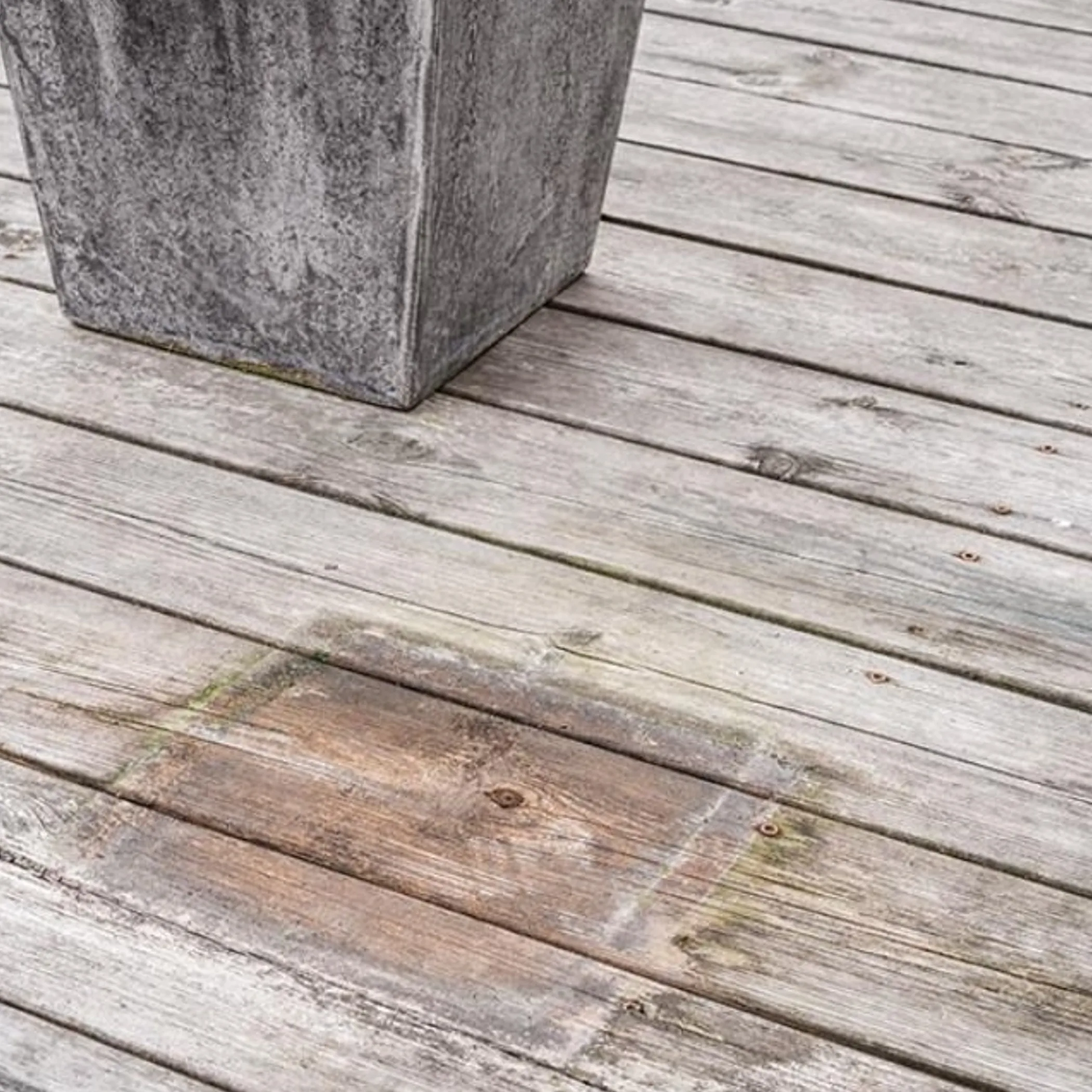
There is nothing complicated about the essentials of paving maintenance: put in a thorough review every now and again, seal at the right time, be gentle in your cleaning and on top of debris and water. A quick once over after a heavy rain and you can stave off costly surprises.
Before any major repair or outdoor work is planned, the Australian Bureau of Meteorology has the official seasonal outlooks and rainfall data. If the day is limited, let the cosmetic stuff go and put your efforts into active leaks, trip and slip hazards and where the drainage is blocked. Water and gravity will not wait.
This is what it comes down to with seasonal care of outdoor surfaces in Australia: be sensible about the material and allow for drying time, and the job will fit the climate. Perfection is not required of a patio, just some common sense before the next heatwave or downpour (or mozzie-filled barbecue) makes its appearance.
