For 2026 one could put May through September down as the optimal time to be in Red Centre Australia. Daytime is not so much of a trial then, the air in the desert is crisp and you are on safer ground when out walking. Then there is April or October for those wishing to avoid the throngs; December to March is for the hardy few who can put up with the heat and any storms that may scupper your walking.
My name is Cassian Hughes and I am all about the practical side of Central Australia travel, not just what is on the postcard. Having readied people for the outdoors in Exmouth over the years I have been witness to how a day in the sun can turn into something of a misery on account of a minor oversight in planning. The Red Centre will not coddle you for bad timing but it does reward good preparation.
Weather In The Red Centre By Season
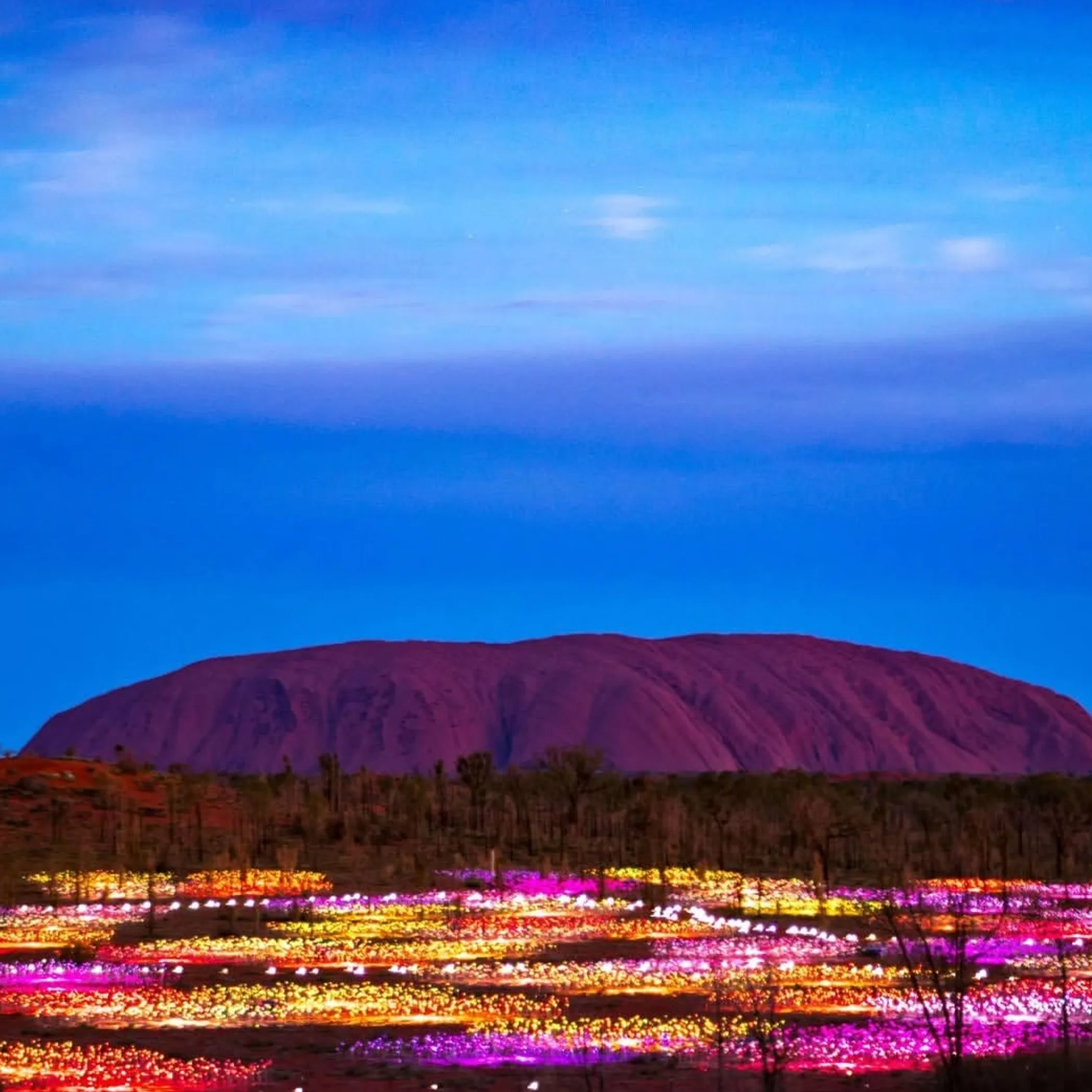
With its desert climate the Red Centre is subject to wide temperature differentials between night and day. One season to the next will alter the road-trip and the walking, as well as the fly situation and what you need by way of warm clothes and accommodation.
Rainfall is not to be relied on in Central Australia where Uluru, Kata Tjuta, Kings Canyon and Alice Springs are found; summer storms have a habit of coming on fast. Make sure to look at park alerts and the state of the roads before you go off, especially for camping or to get to some of the more remote tracks and iconic outback gorge hikes.
| May to September | You will find cooler days, cold nights and walking that is for the most part comfortable | Hiking, camping, photography and those visiting for the first time | It is the popular time of year, do not forget your warm layers |
|---|---|---|---|
| April shoulder season | Conditions become more agreeable and the peak crowds are absent | Road trips and the flexible traveller | There will be some warm days |
| October and November | The heat exposure is on the increase | Quieter travelling, shorter walks and an early start | Flies, desert heat and the odd closure |
| December to March | Summer storms and very hot conditions mean walking is often put on hold | Those with the experience and a flexible itinerary | Risk of heat illness and changes to access |
Take the table as a guide for your planning, not a guarantee. An average in a brochure is no substitute for the forecast when conditions can vary from Uluṛu-Kata Tjuṭa National Park to Kings Canyon and Alice Springs.
The Case For Winter
Between May and September the balance of comfort and access is at its best, which makes it the window of choice for most. An early walk is no problem, you can put in a stop for some photos and have lunch without dissolving on the bench, with energy left over for the evening.
Do not make the mistake of thinking winter at Uluru means you are in the warm all day. It can be nippy after dark in an unheated room or at the campsite, so put on some layers even if the afternoon looks benign. The desert has no qualms about a cold morning giving way to sun later.
What You Get Out Of A Winter Trip
Around Kata Tjuta and Kings Canyon the cooler temperatures of the day put long trails within reach. With less heat to contend with in the mornings you can give your attention to your footing and water and the cultural aspect instead of looking for a patch of shade.
Photographers will like the clear air and the contrast it lends the sandstone at sunrise and sunset. But there is a price to pay in terms of demand; you will find the better tours and places to stay are taken sooner, school holidays being what they are.
If you are going to be camping, expect a nice enough afternoon but a proper cold at night. Have a sleeping bag to match the overnight figures, a thick jumper is not a substitute. In my outdoor work I have made the acquaintance of the fact that “I’ll be right” is not a way to dress.
Flexibility In The Shoulder Seasons
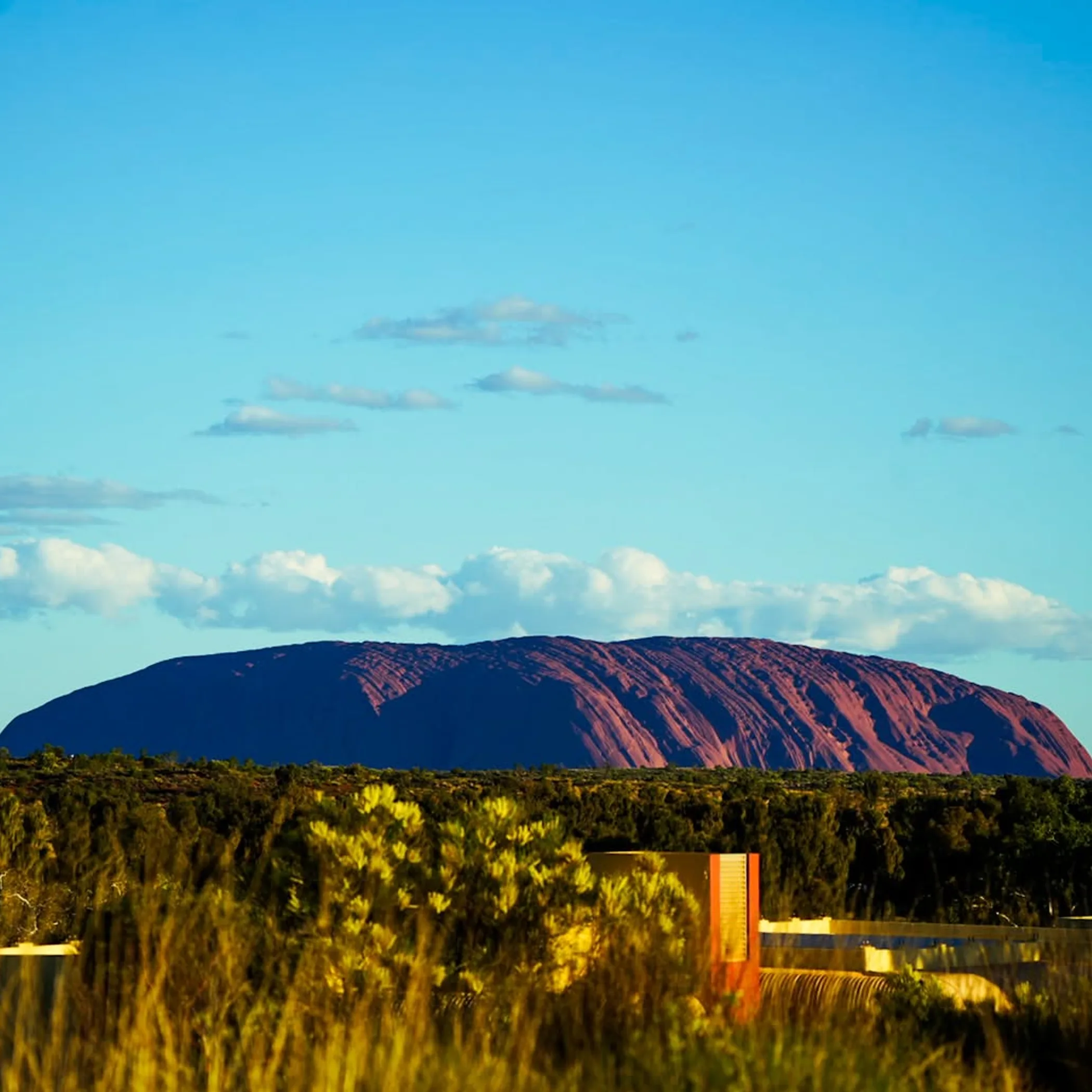
An April or October visit is a sound compromise. You might get better value and quieter roads than in the depths of winter and still have conditions to see the sights and put in a short walk.
This is for the type of traveller able to adapt if the forecast turns, not for someone with a rigid schedule of long hikes and no free mornings.
A Softer Start In April
Mornings and evenings are usually more to your liking in April than in the summer months, though midday can be warm. A good way to do Uluru, Kata Tjuta and Kings Canyon without succumbing to the peak-season run on things.
Get the harder walking done of an early hour and have plenty of water and a plan B. And if there has been rain, check on any temporary closures or track information prior to heading out. Earlier Starts in October
Earlier Starts in October
As the weather turns more clement in October and November, one is well advised to be on the move not long after sunrise. Put in some walking then and save the more trying part of the day for a rest; late afternoon is better spent on photography, culture or a brief trail.
Warmer conditions have a way of making flies a nuisance. You may think a head net is something of a joke until a particularly persistent specimen starts at your eyes or ears, at which point it is all the equipment you want.
Planning is Essential in Summer
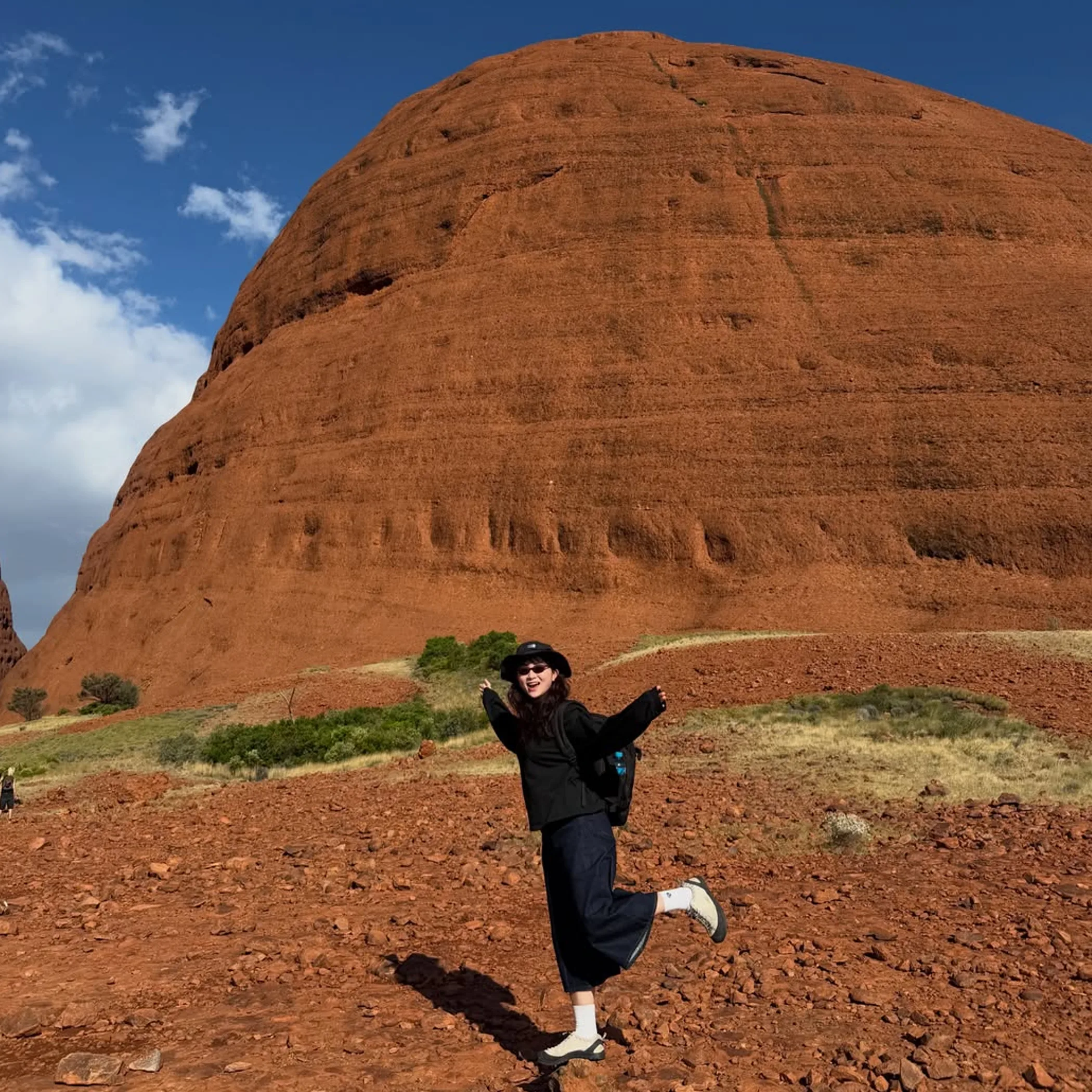
For a good many visitors the period from December through March is the most taxing. Daytime heat can make hard hiking hazardous and the summer rains are apt to put up desert storms, muck up the tracks or alter access for a time.
It is the wet season for the Northern Territory at large (the Red Centre is drier than the Top End) and a storm has a habit of being localised and intense. A clear sky over your accommodation should not lead you to believe every road and trail is unscathed.
An Itinerary Altered by Heat
In the summer months make a point of seeing the sunset, doing some indoor interpretation or a short walk and getting up with the sun. Do not take a published walking time as gospel; between the terrain, the heat and any photography, one will be out longer than expected. There are times when a longer walk will be shut down for safety. Make sure you have the latest word from Parks Australia’s Uluṛu-Kata Tjuta National Park before you go and abide by their instructions, do not attempt to bargain with the thermometer.
A Storm Is No Spectacle
While they put on a show in the sky, desert storms also mean lightning, treacherous driving and rain. It would be unwise to put yourself under an isolated tree or press on along a remote track just because it is a good photo opportunity. Ephemeral waterfalls and a greener desert might follow the rain but they are not to be counted on. Should that be why you are here, put in some spare days instead of letting a timetable dictate the weather.
Selecting Your Walk
There is little to choose between the optimal time for Uluru, Kata Tjuta or Kings Canyon; the cooler months are simply more agreeable for any serious walking. That said, fitness, daylight and the access advice for the day will tell you what is right.
Distance is not the only consideration. With no shade, stairs and uneven rock to contend with and the need for water breaks, a short route can be more of an ordeal than a flat, longer one.
| Area | Best seasonal approach | Who it suits | Practical note |
|---|---|---|---|
| Uluru | May-September (early starts when warm) | The majority of visitors, first-timers included | Factor in the light and cultural interpretation |
| Kata Tjuta | Longer trails in the May-September window | Those at ease with the terrain | Wind and heat will put a different complexion on things in short order |
| Kings Canyon | The rim walk in the cooler months | Fit walkers with the proper footwear | An early start is called for |
Those wanting an iconic gorge hike would do well to appreciate that Kings Canyon is no place for a casual amble. The rim walk is no trifling matter and if you are not accustomed to the heat or the rock, a shorter option or some local counsel is in order.
A Plan for One Day
With only a day to spare, Uluṛu-Kata Tjuṭa National Park should be the focus and a sunrise or sunset at Uluru the experience of choice. Perhaps a short walk if the going is good, but do not make an effort to fit in Uluru, Kata Tjuta and Kings Canyon from one base. The distances in Central Australia are no small thing and the drive home after a day in the heat is tiring. If Kings Canyon is to be had, make it a separate day or put up nearby, not a quick side trip.
Where Photos Are Concerned
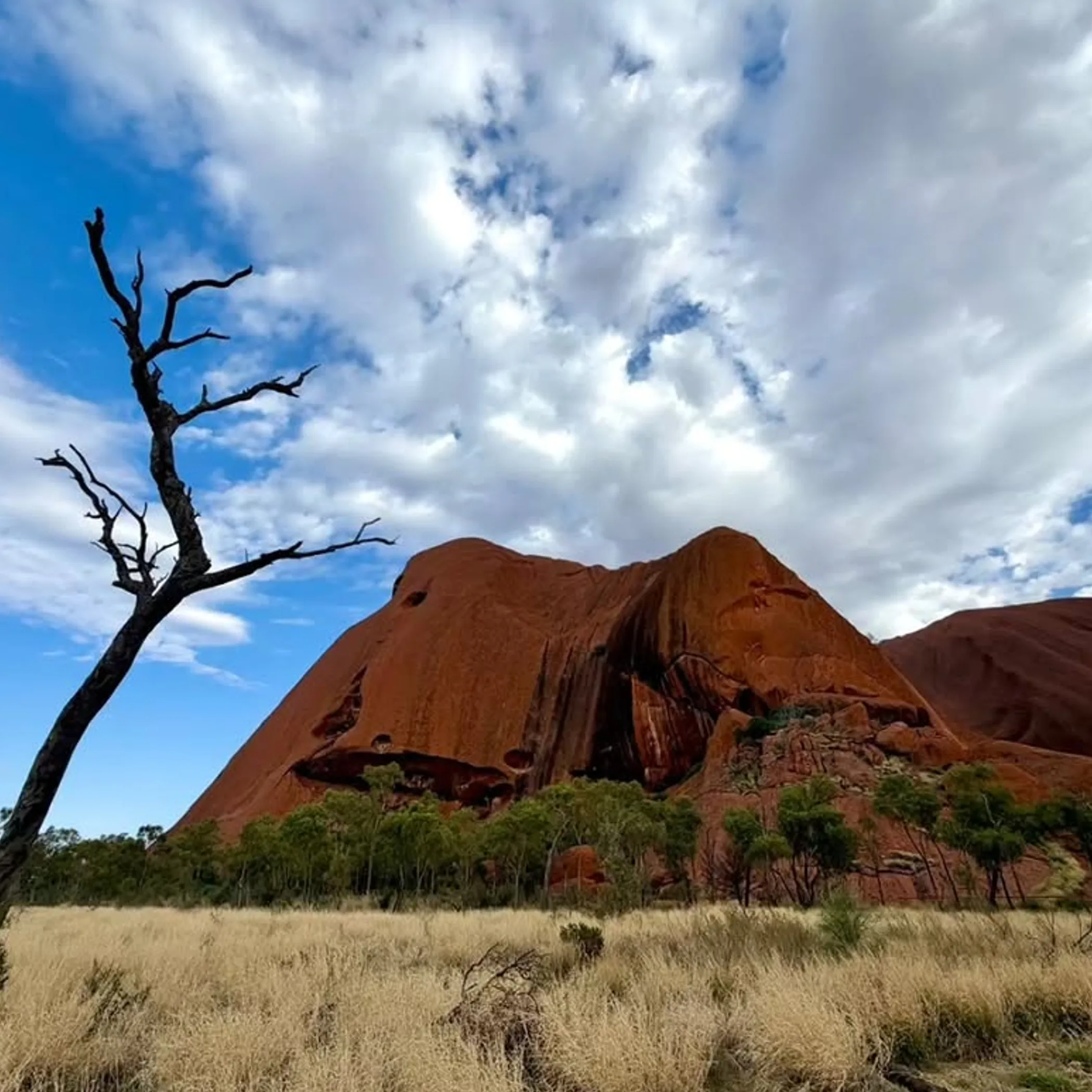
The air is cooler from May to September so there is less of a chore to stand about for the right light; this is when photographers will find the most dependable conditions. Popular vantage points at sunrise and sunset will have their share of people however. For a mix of warmth and some quiet you might try April or October. As for the summer storms, they can be striking but not reliable enough to plan on.
Flowers and the Night
You cannot be sure of wildflowers in the Red Centre in any given month, they are at the mercy of the rain. Some years the landscape is subdued, a wet spell will put colour back in it. Rather than rely on some general seasonal claim, put it to the local visitor centre as to how things have been.
For the best stargazing one wants clear skies and little in the way of artificial light. Winter will do nicely, if you can put up with the cold; make sure to have on some closed shoes and a warm layer and take something to sit on that is comfortable. There is only so much glamour in astronomy when your backside has gone numb.
Transport, Access And Costs
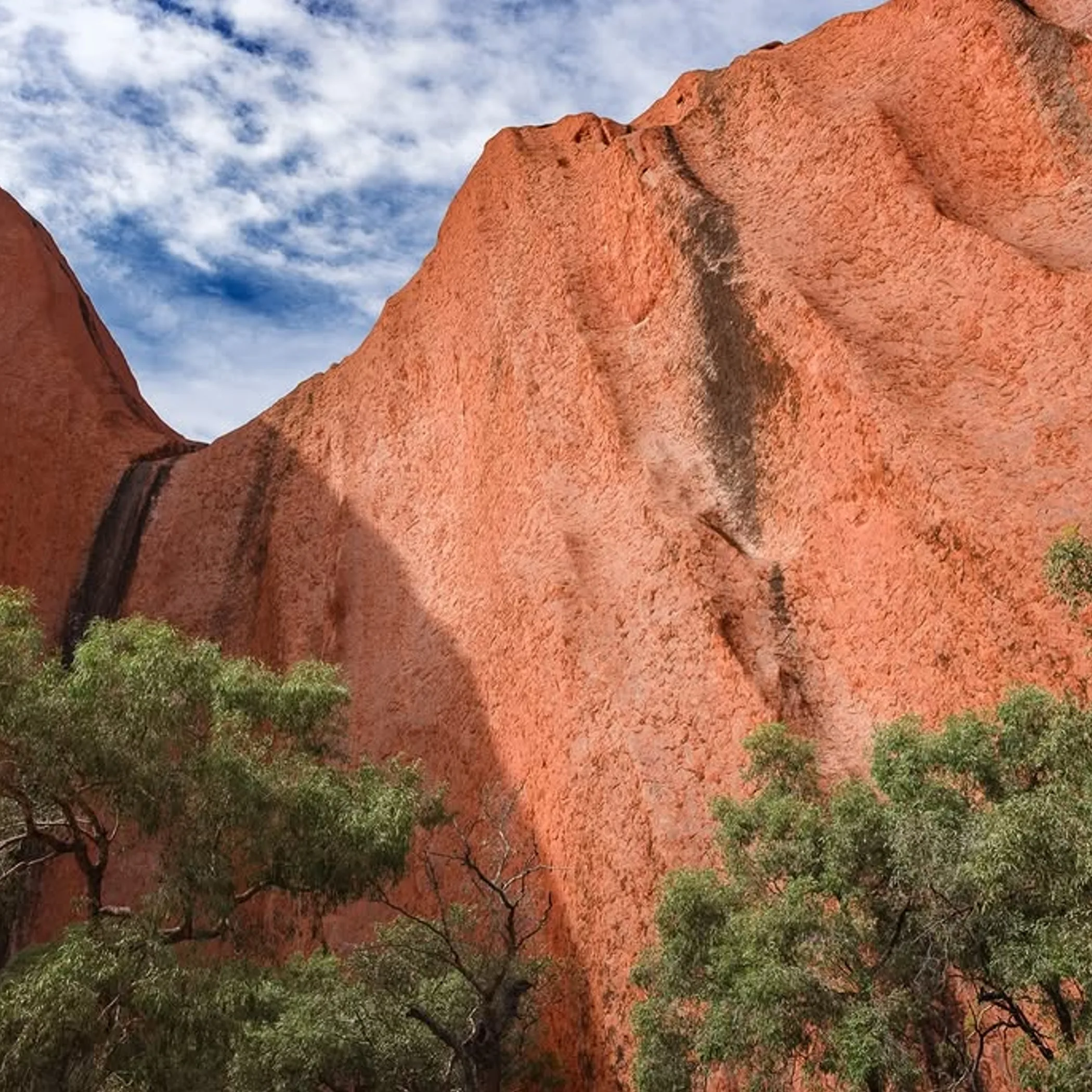
A flight to Alice Springs or the airport at Ayers Rock Resort is how most get to the Red Centre, from where they will take a shuttle, private transfer, tour or a car of their own. A hire car is flexible but you must budget for the fuel and the inevitable roadside stops over long distances. The Stuart Highway is the link between Alice Springs and the rest of the Northern Territory. Around Uluru, Kings Canyon and Kata Tjuta you need to plan your distances with care. On the outback’s major roads you will come across road trains; let them have room and do not be in a hurry to overtake. Dust is to be expected.
- Before you set off, see what the weather is like and check on road conditions, park access and any notices for walking tracks.
- Have a charged device for communications as well as food, water and sun protection.
- For May through September it is wise to book tours and a place to stay well in advance, school holidays in particular.
- Factor in a buffer for fuel and provisions since supply and cost in remote areas are not what you would find in the city.
- And make certain an NT Parks Pass or some other permit, perhaps for Aboriginal land, is not needed for your route.
Rates for accommodation are all over the place depending on whether it is a resort, a guided package or a camping spot. Do not go by an old forum post to gauge prices, look at what is available for your month.
Packing For The Desert
It is easy to make the error of packing for the afternoon and neglecting the morning. In the Red Centre you can have strong sun and dry air and then a change in the weather in the course of a single trip, with cold setting in overnight.
Wear something light and breathable for a walk and put on a warm layer at dawn or dusk. A broad-brimmed hat and good sunscreen are essential, as is sturdy footwear with grip. Keep a hard copy of your bookings and directions and drink before thirst sets in.
- Sun protection in the form of a hat, lip balm, sunglasses and a long-sleeved shirt.
- For walking: closed shoes, a first-aid kit, phone and power bank, plus water and snacks.
- If it is cold: a jumper or fleece, an insulated jacket and warm clothes for the tent.
- On the road: offline maps, emergency numbers, rubbish bags and a plan for fuel.
Heed the signs and cultural advice in the parks. Uluṛu and Kata Tjuta are Anangu country of some importance, not just scenery to be ticked off in a hurry. Remain on the track and do not go where you are not meant to, and ask permission of people before you put a camera to them or their ceremonies.
Questions From Travellers
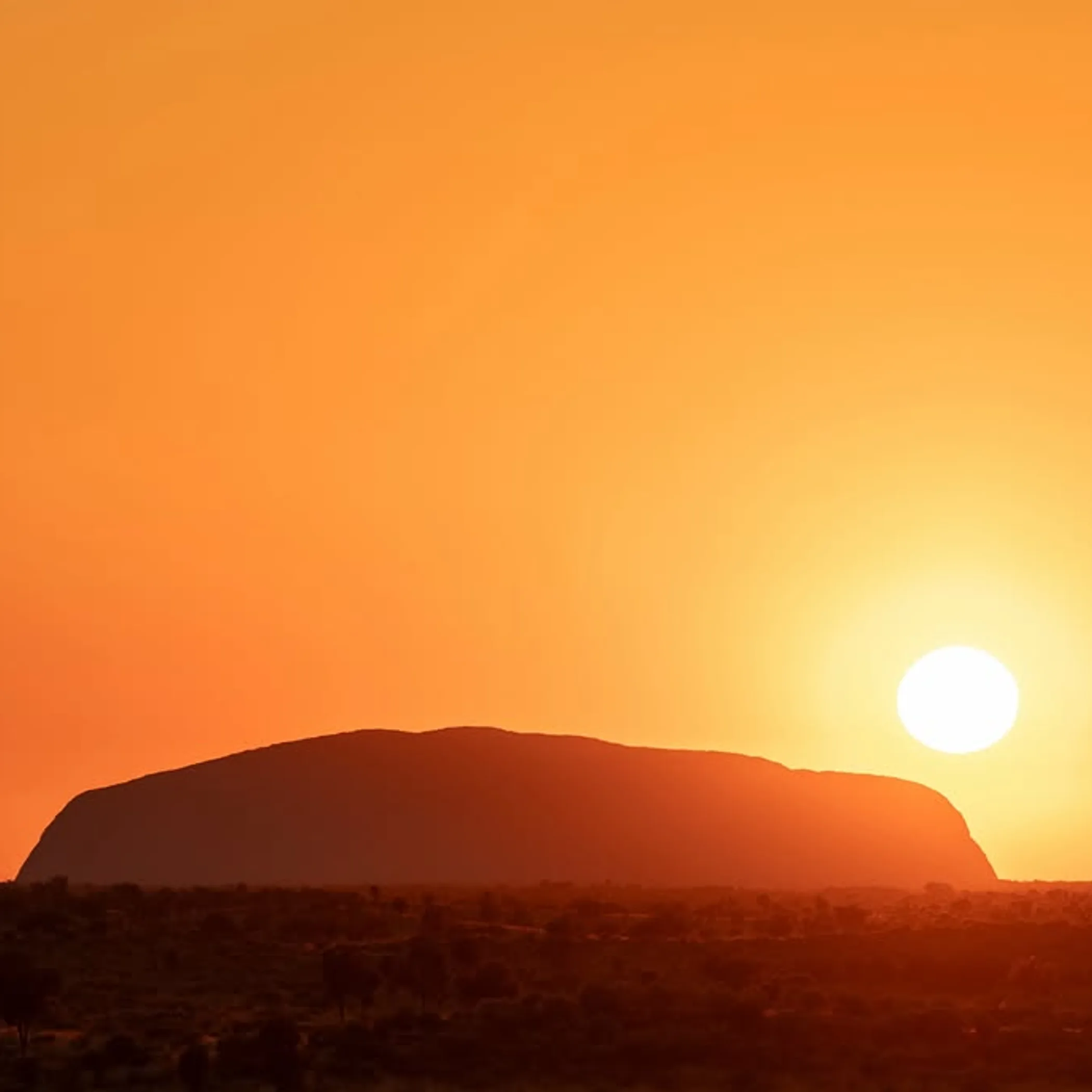
One finds practical misunderstandings in these common questions. Put simply: be serious about the heat in summer, keep some flexibility in the shoulder seasons and walk when it is cooler.
When is the time to be in Central Australia?
The period from May to September tends to be the most agreeable, for hikers and campers making for Uluru or Kings Canyon. If you are amenable to modifying your day for the warmth and want to avoid the crowds, April and October will do.
Is there a cheapest time to visit?
Not for every destination in Australia. It is a matter of flights, events, what is available to stay in and how far you go. In the Red Centre you are better off comparing present day prices for your dates than thinking summer is invariably the least expensive.
Where in Australia is the weather good all year?
Nowhere. You will have desert heat and cold nights in the Red Centre for all its dry spells. The Top End has its wet and dry, the south is cooler in winter. Pick a region for what you want to do there, not for the prospect of blue sky come rain or shine.
Too hot for Uluru in summer?
Strenuous walking is not safe or comfortable in the height of the day and access may be affected. Heed any alerts and do not put off the symptoms of heat illness. Make for the sunrise or sunset and keep activities short.
Warm clothes in the desert?
You will need them. From May to September the temperature can drop of an evening. Pack layers for an early start or a change in the weather even if you have a room to stay in.
Making The Season Work
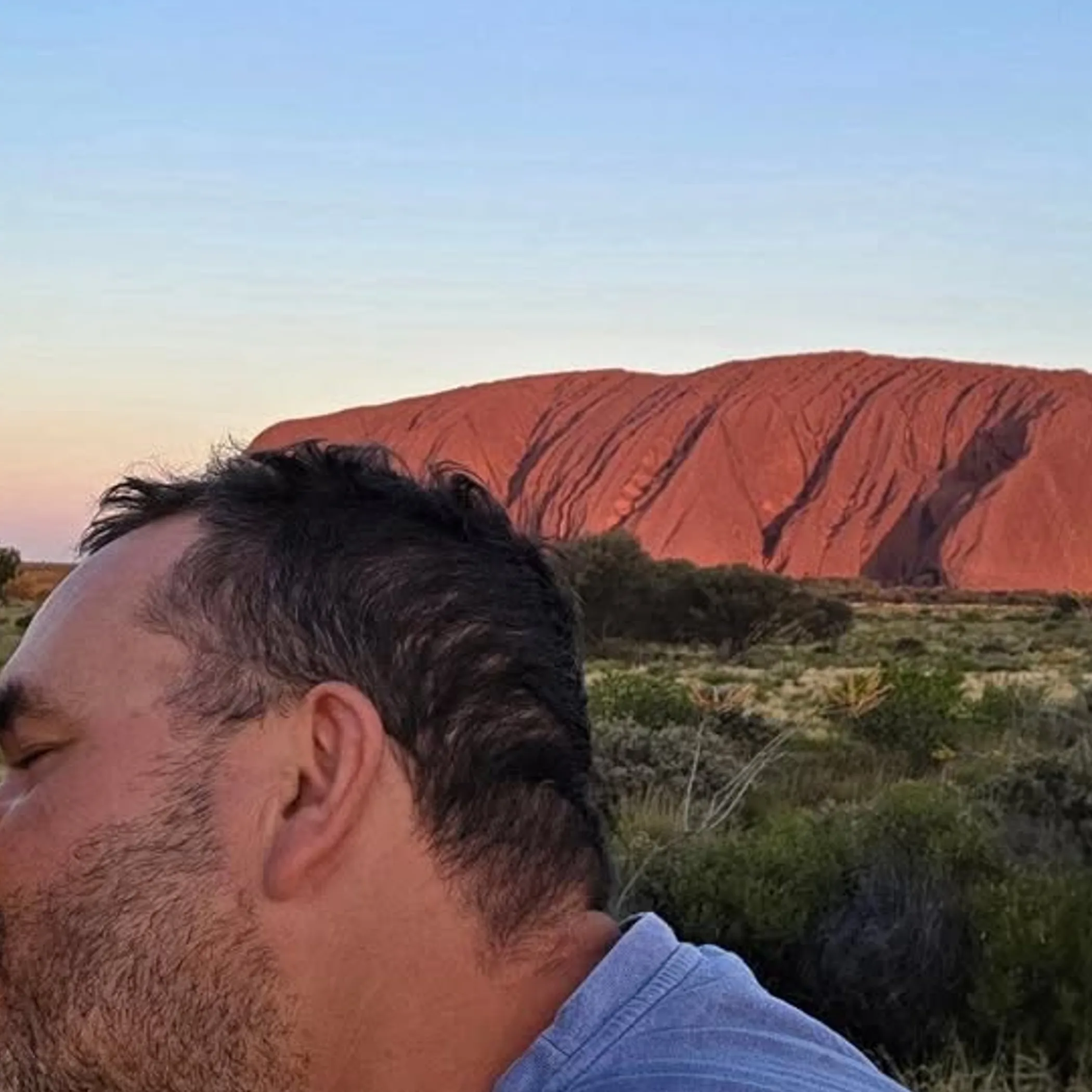
2026 sees us recommend May to September as the soundest option for the Red Centre. Should you prefer December to March you have to be more adaptable with your plans and manage the heat. But April and October are fine alternatives.
Decide on a month for the kind of experience you want, be it photography, a long walk or lower demand. Then put in the work beforehand on permits, transport and water and you will find Central Australia a great deal more pleasant than a hurried run from one lookout to the next.
