There is a simple rule when it comes to planning for Kakadu in 2026: put together an itinerary that accounts for the weather, the state of the roads and any site restrictions, but do not go without first consulting the park’s notices. While the 2026 data on offer will not show you a total shutdown of Kakadu, one must be aware that access can be altered in a hurry by the wet season, cyclone or fire damage, flooding and the like, or while a road is being upgraded.
I am Cassian Hughes and my years in the outdoors have shown me that a briefing is only as good as the conditions warrant. You will be well rewarded for your preparation in Kakadu, but there is no room for guesswork. This guide is to help you navigate the 2026 closures, find which sites are open, make sense of 4WD requirements and steer clear of the error of regarding a national park road as some suburban run.
Do Your Checking On Departure
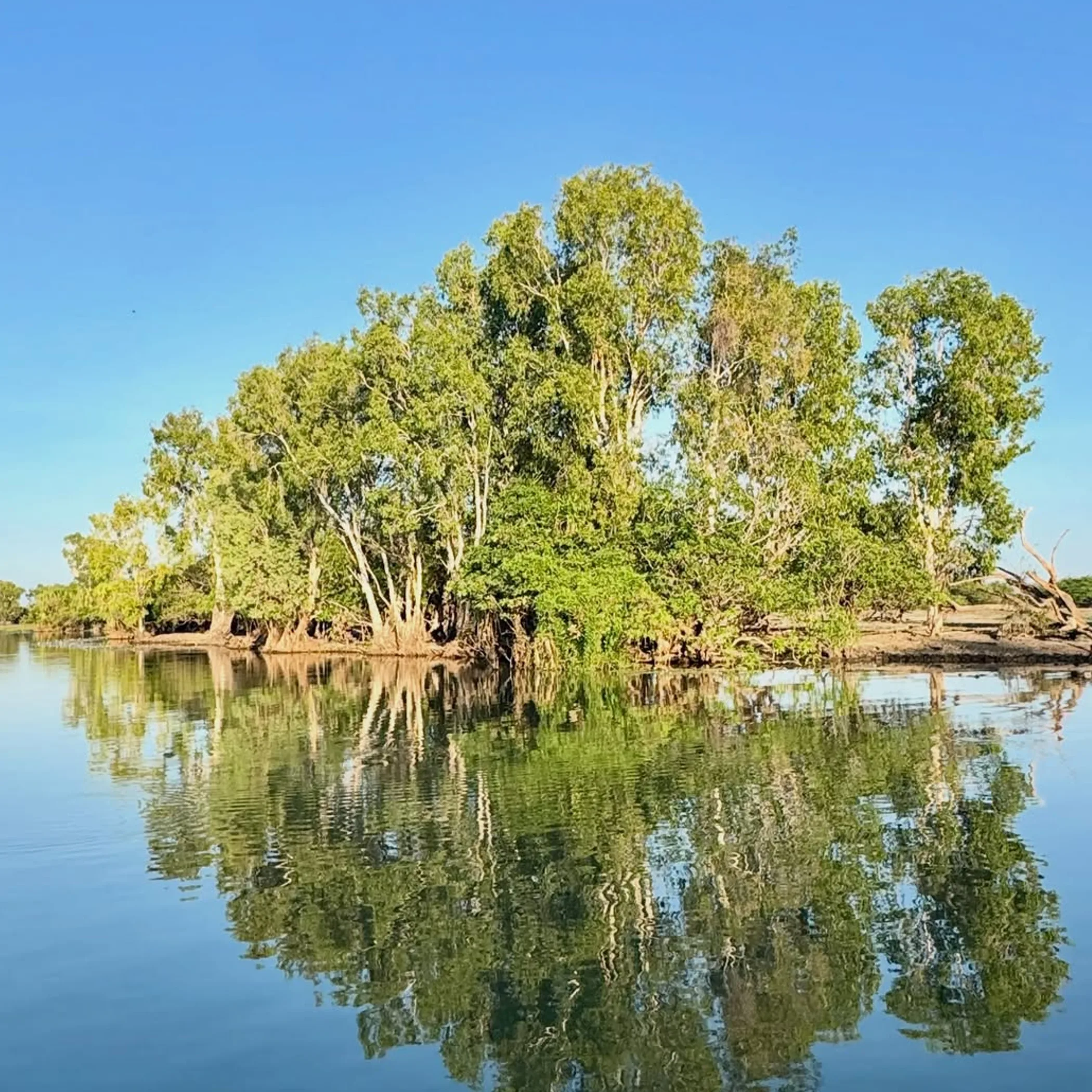
Start with an up to date Kakadu access report. If there has been any rain or flooding, or if road work has been done, then take time on the morning of your travels to review local road info, visitor-centre updates and any safety alerts from Parks Australia. Rely on their official Kakadu National Park visitor information; old travel posts and internet maps should be considered little more than background. A road may be listed as accessible yet be too rough or muddy for your vehicle, and what was open a week ago could be closed now.
The 2026 Picture
With the Top End’s changing seasons so does access to Kakadu. For a Kakadu 4WD tracks overview, check current track conditions before setting out. The wet brings closure to low-lying tracks and crossings, the dry can mean fire risk and crowds at the better known spots. Be sure to verify three things independently: is the site open, is the road to it open and is your vehicle up to the task. They are not interchangeable. You may find an attraction is open but the last leg of the approach is 4WD-only or shut for the time being.
Closures Particular to the Site
You will not find the same timetable for all of Kakadu’s major draws. Ubirr, Burrungkuy (Nourlangie), Yellow Water, the remote gorges, Jim Jim and Twin Falls all have their own set of rules and road conditions. So a “Kakadu closures 2026” search requires a bit more than a yes or no. Make sure you have the particulars on the access road, campground and safety for the place you intend to be.
Jim Jim And Twin Falls
These two are where most travellers get confused with a wet-season plan. They are remote and the Old Jim Jim Road will tell you if a trip is feasible even if the rest of the park is open. Do not read a 2026 closure notice for either as permanent; water levels, maintenance and the condition of the road are factors. Before you head for the turn-off, see what the latest notice says and put in enough fuel and daylight to make a leisurely return.
Land Access To The Gorges
A trip to Jarrangbarnmi (Koolpin) or Bilkbilkmi (Graveside) gorges demands you plan ahead. There may be a need for a permit, Aboriginal land access provisions and you will not find many facilities. Koolpin is no casual offshoot of the highway. See to the permit and vehicle requirements first. It is the same with Graveside and other places under the purview of Traditional Owners.
Making The Most Of Open Sites
Should the remote roads be out of the question, there are alternatives in Kakadu such as the Bowali Visitor Centre, Yellow Water, Ubirr or Burrungkuy (Nourlangie), provided current notices allow. But an “open site” is not always an easy day of it. Tracks can be hot or slippery and you will encounter wildlife hazards. It is a vast bush landscape, not a wildlife park with a schedule, and things can be different at the viewpoint from what they were in the car park.
One Day In
Rather than trying to tick off every famous spot, be practical with your route and vehicle. Pick the Ubirr or Burrungkuy area and, if the bookings and conditions are right, put in some time at the Bowali Visitor Centre and for a wildlife experience at Yellow Water. There are cultural and walking experiences to be had at Ubirr and Burrungkuy, but one would do well to put the heat, the route and sunset access in mind before putting in for a late return. As for Yellow Water, this is more of a guided affair than a roadside stop; factor in some time for getting on board, transport and any weather that may hold you up.
Expectation Versus Reality
You might think it is all a short drive from one attraction to another. The fact of the matter is Kakadu is of such size that slow traffic, the roads and the heat can make what appears a tidy map on paper an all day’s work in the bush.
It is tempting to believe a 4WD will make light of any road. In reality, while it adds to your capability, it does not put an end to floodwater or soft sand, nor the risk of having to recover the vehicle or see a tyre damaged. Put a taller costume on a high-clearance car with the wrong tyres and it is still a poor plan.
Plan Around Road Conditions
What one encounters on the Arnhem Highway or Kakadu Highways, the main ways in, is not what lies beyond where things get rougher. By 2026 road conditions in the National Park will be dictated by the state of the tracks, rainfall, maintenance and traffic.
Do not let corrugations, wildlife, road trains or floodwater catch you unawares. Be realistic about travel times and put in a break of your own volition. It is unwise to have the last few kilometres of a remote track down for after dark. And since reception is often wanting, a phone map is no solution to a mechanical issue.
| Area Or Route | Access Considerations | Best Planning Response |
|---|---|---|
| Arnhem Highway | Long distances and heavy vehicles on the principal approach | Make sure you have fuel, water and daylight to start with and keep an eye out for road trains |
| Kakadu Highway | Links the park’s major areas though conditions are variable | Extra time for stops and wildlife should be made and alerts checked |
| Old Jim Jim Road | A remote option with 4WD only stretches in places | You need to know the status of the road and have recovery gear to hand; do not be making a late arrival |
| Cahills Crossing | With its water levels and wildlife there are real hazards | Heed the warnings and stay out of restricted water |
| Remote gorge roads | May call for a permit and a high clearance | Leave the main routes only when you have confirmed access |
When Four-Wheel Drive Matters
In Kakadu 4WD is a necessity on certain roads for the traction and underbody protection they require, not something to wear as a badge of honour. Have a look at the spare, check the pressures in the tyres and put aside water for any delays. Before settling on a route we suggest the Kakadu 4WD tracks overview. One has to ask if the vehicle can come back safely and cope with a turn in the weather, not just if it can make it there.
Fuel, Parking And Return Routes
Put in for fuel prior to going remote, do not count on the next service being near. See that you have sun protection, a first-aid kit and food that will stand up to the heat of the vehicle. In the dry season parking can be unsealed and crowded, with shade in odd patches.
Make note of how you will return and have a fallback in place. Should a road be closed, go by the word of the park staff instead of trying to improvise at a gate; a detour can take you over restricted or broken ground.
Permits And Safety Alerts
An entrance pass is not enough for some pursuits in Kakadu. There are booking requirements and restrictions on camping or Aboriginal land access in remote parts. Look into the rules for Jarrangbarnmi (Koolpin Gorge), Bilkbilkmi (Graveside Gorge) and the like ahead of time.
One must also exercise good judgement when it comes to swimming. An inviting pool can be made unsafe by crocodiles, rocks and shifting water. Do it only where the park says you can and in accordance with the daily alerts. “No crocodiles here today” is hardly a system of safety.
Weather And Wildlife Risks
Intense rain and cyclone damage are part of the wet season along with the possibility of lightning and a road being shut without notice. Even under an overcast sky the tropical heat is dehydrating. The dry season is better for the roads but hot days and bushfires mean planning is still called for.
At Cahills Crossing, respect the wildlife and the current warnings. Do not try to get a photo of a crocodile or mistake a quiet shore for safety. Take the time to cool off and have a drink.
Who Should Avoid Remote Tracks
The solitary and the inexperienced driver are not suited to them, nor is anyone who has not got the water or equipment to recover a vehicle or who is not prepared to turn back. They are not for the latecomer, those with an unsuitable rental or who would put their trust in mobile coverage.
For those unaccustomed to bush driving, it is wise to pick an open and well-trodden site or put in with a good guided outfit. There is a premium for the latter, but you will have fewer navigation errors to worry about and some local insight on what the weather, wildlife and road are like.
Budget For Passes And Seasons
Before putting down any money, have a look at Parks Australia for the most up to date Kakadu park pass figures for 2026. One can not be sure of the 2026 fee schedule from the information at hand; concessions, exemptions and wet-season rates are subject to change.
NT residents would do well not to think they are on the same footing as visitors from interstate when it comes to pass arrangements. The official rules will tell you if a pass is required for Kakadu, and whether there are proof-of-residency stipulations or other exemptions in force at the time of your travels.
Make Allowance For Extra Costs
A basic budget will cover the essentials: fuel, food, accommodation, the park pass, vehicle prep and perhaps a tour. But you should put something aside for a puncture, a longer route on account of a closure, an unplanned night or a change of plans. When there is no slack in the plan, remote travel has a way of becoming costly.
Accommodation is to be had from campsites to proper lodges, though the dry season can see availability dwindle. Where you must, book in advance and make sure the campground is accessible and that there is water, a dunny in working order, showers and rubbish collection.
Put Together A Workable Itinerary
What makes for the best month in Kakadu National Park is a matter of priorities. The dry season is preferred by many for the surety of the roads; in the wet one puts up with closures and the like for a quieter, greener affair. Still, current alerts must be heeded in any month.
Rather than making an ambitious list of names, plan by region. Put nearby attractions together and save the heat of the day for rest or driving. Have a day or two of flexibility if you can, all the more so with children or older folk in tow who are sensitive to the heat.
A Simple Checklist
- See what the daily safety alerts and road conditions are, and what sites are closed.
- Have your permits and tour bookings in order and know the park-pass and campground rules.
- Be sure you have first aid, sun protection, food and water, plus the recovery gear and spare tyres.
- Make known to someone where you are going and when to expect you back.
- Depart with enough daylight and fuel to turn around if need be.
In my time in marine tourism I found a safety briefing is only remembered when it is pertinent and clear. So be explicit with your companions as to which roads are out of the way, how the plan might alter and the procedure if the vehicle gives way.
Get Your Details In Order
Seasonal closures in the park are no trouble if you view them as part of the planning. Make a point of checking on Jim Jim Falls, Ubirr, Burrungkuy, Yellow Water, the Arnhem and Kakadu Highways, Old Jim Jim Road and the Twin Falls before you head off.
The point is simple: respect the Traditional Owners and any safety instruction, take on more water than you think you will want and select an open site suited to your vehicle and the elements. The roads may be open and Kakadu deceptively easy, but the bush is not moved by an optimistic itinerary.
Frequently Asked Questions
What Are The Current Seasonal Closures In Kakadu?
The 2026 data we have does not give a blanket or complete list of closures. Individual walking tracks, gorges, campgrounds and the like may be affected by the season. You will find the particulars for the site and date you have in mind in the Parks Australia notices and safety alerts.
Is There A Best Month To Go?
Not really. The dry season is more predictable. The wet can mean flooding and cyclone warnings as well as altered water conditions and closed roads. It is up to you to decide if you value reliable access or the wet-season scenery, then go and verify the situation.
How Much Will The Entrance Fee Be?
We can not confirm the 2026 figure from the information provided so refer to the Parks Australia schedule prior to your trip. Do check on wet-season rates and any exemption or concession that might apply.
Do You Need A Pass As An NT Resident?
Assume nothing and check the latest from the authorities. Whether an exemption holds or you need to produce identification will be a function of the prevailing park rules.
Can I Get To Jim Jim Falls In Anything Other Than A 4WD?
There are 4WD-only stretches and things can change with rain or maintenance. An old report or a map will not do. Before you set out, get confirmation on the state of the Old Jim Jim Road and what is required of your vehicle to get back.
