2026 Working At Heights
For the most part, working at heights training in Australia this year is built around RIIWHS204E – Work Safely at Heights, a nationally recognised unit. Workers are put through their paces to spot fall hazards, make use of equipment as they should and put controls in place; a Statement of Attainment is issued once the practical assessment is done.
Do not be under the impression that an Australia-wide working at heights ticket will see you through any job or site. It is up to the employer to appraise the work and verify the competency of the worker and that his training is fit for purpose. The difference is important when you consider the disparate risks confronting a mining operative, an elevated work platform driver, a maintenance man or one who cleans roofs and must follow roof cleaning safety rules.
Cassian Hughes here, from Fremantle. In my time with safety briefings and checking outdoor equipment I have come to appreciate a truth of marine tourism: while the eye is drawn to a dramatic hazard like a big drop, the more mundane ones are overlooked, be it a wet surface or an attachment point not properly checked, or simply rushing as the weather changes. There is no room for such shortcuts in heights work.
A Guide To 2026 Requirements
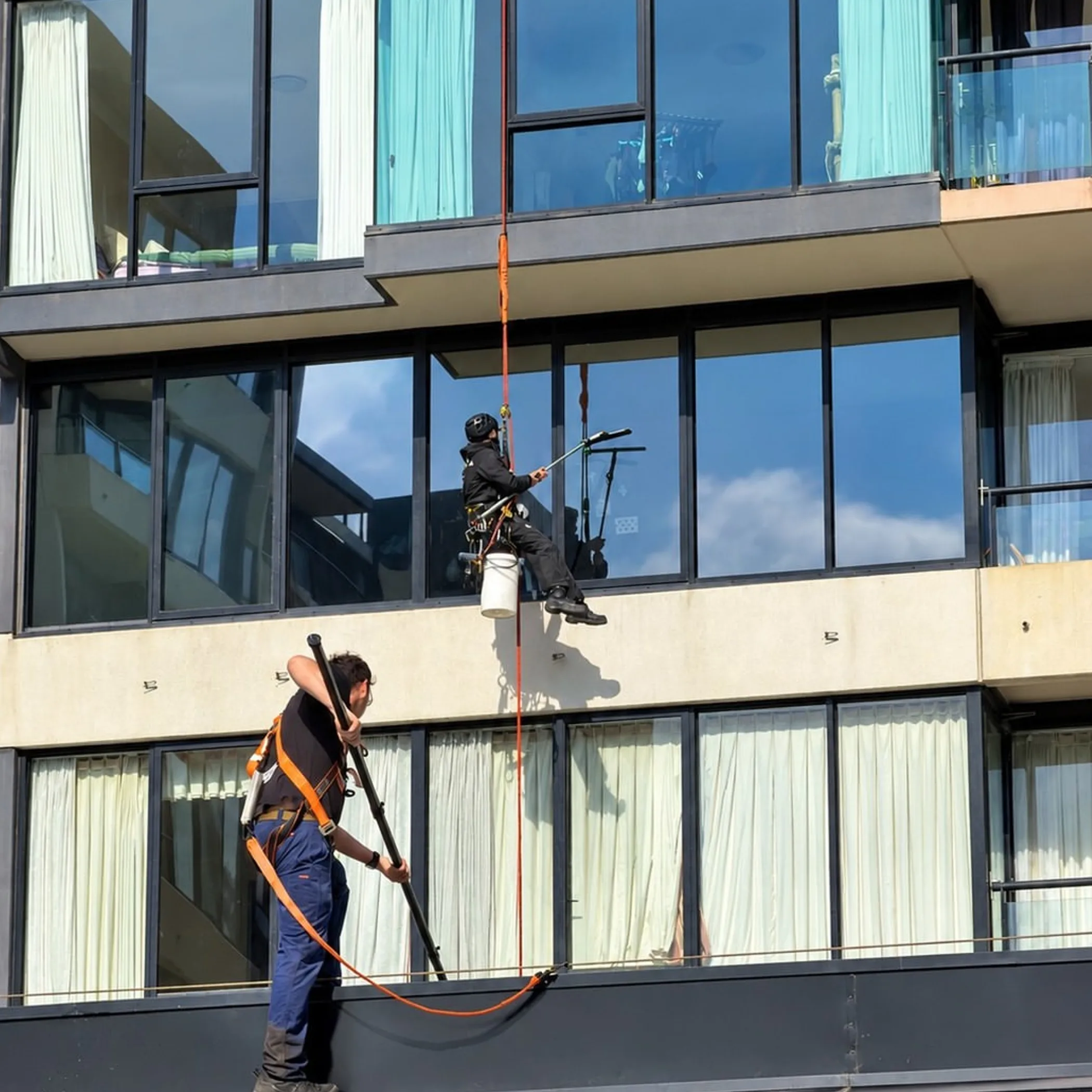
Training of this kind is how an employer can show that staff have been assessed and made aware of the perils of working at height in keeping with WHS law and the way things are done on site. Yet the qualification by itself does not render every task safe.
Given that requirements vary from one jurisdiction or industry to another, it is best to enquire before making a booking as to what the site demands and if the course holds national recognition, and whether something like EWP calls for further instruction.
Legal Duties And The Unit Code
RIIWHS204E is found in general and facilities maintenance, in construction and mining safety. A provider or employer may issue a competency card along with a Statement of Attainment to those who complete it. But it is no licence for anything done above ground level. Site induction, rescue or confined space training and the like may still be called for. For the official word on falls and other hazards one would do well to read Safe Work Australia, as state and territory regulators have their own stipulations.
Who Should Be Trained?
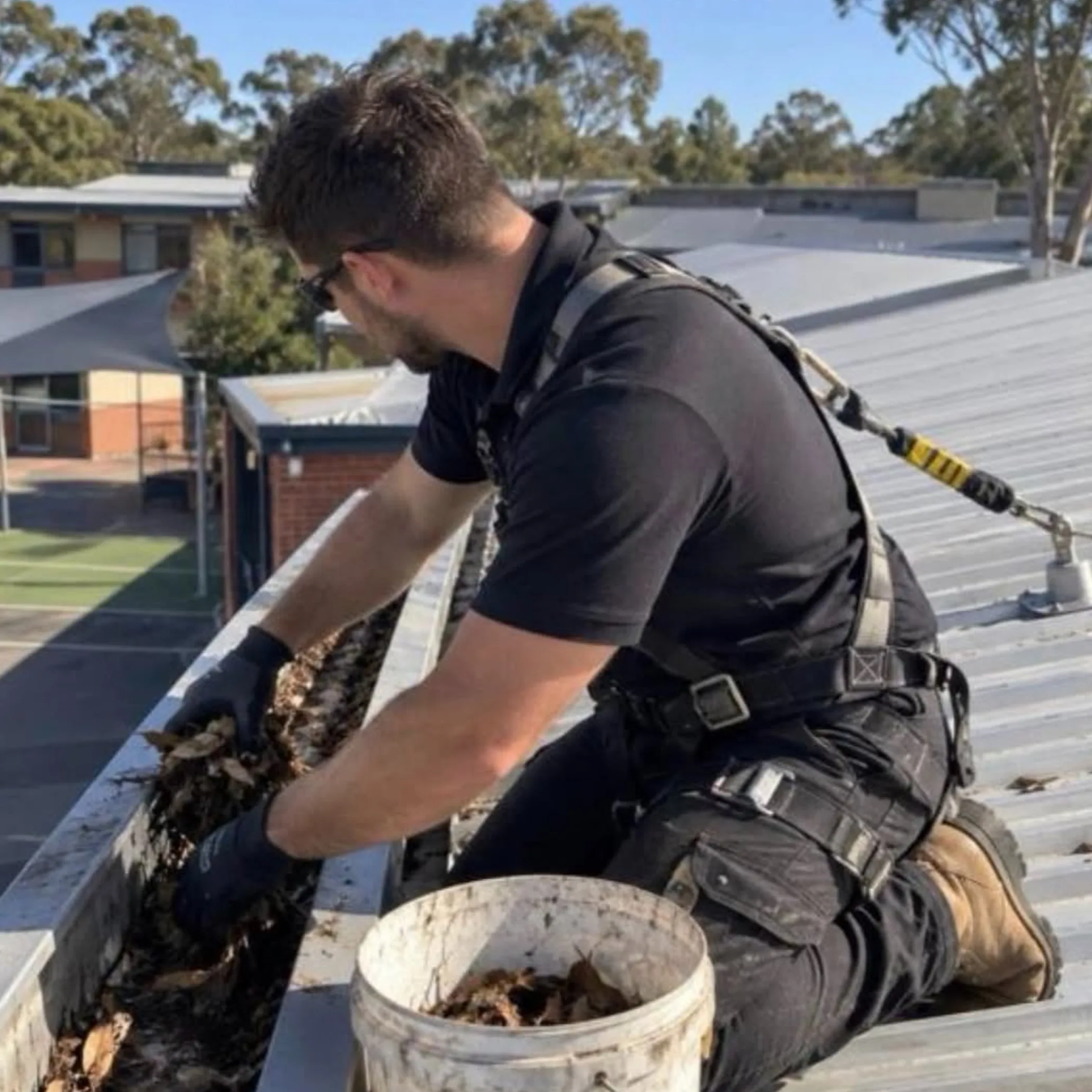
If your work entails a risk of falling then so too does the training, though the specifics will be dictated by the risk assessment, the location and the equipment. The control plan for a man on a residential roof will not be the same as for someone tending a warehouse roof or a mine structure. Rather than asking “am I two metres up?” the better question is whether there is a possibility of going over an edge, through an opening or into some danger. Height is but one element of the risk.
Industries And Tasks You Will See
We see roofers, arborists, painters, miners, telecommunication and solar installers, electricians and those with ladders or EWPs. Roof cleaning presents a case in point: add to the mix slippery tiles, skylights, chemicals and a turn in the weather and you have a serious hazard. Before anyone makes the climb, rules on access, footwear, anchor systems and communication ought to be in place.
And let us be clear, RIIWHS204E is not a substitute for EWP training where the equipment and its operating hazards warrant separate competency.
The Substance Of The Course
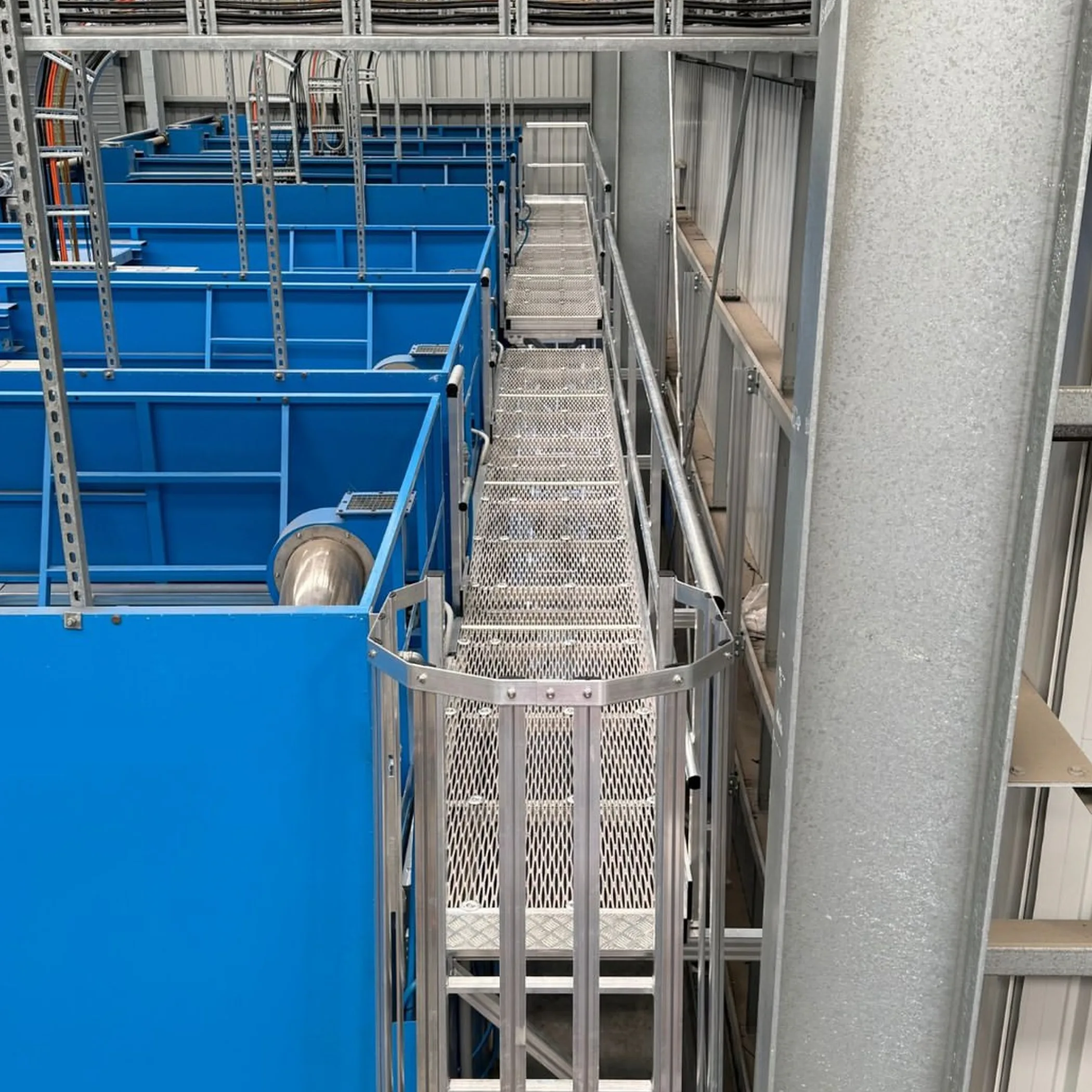
You will not find much in the way of a protracted slideshow and a handshake. A proper course is hands on and ties risk control and hazard identification to the sort of situations and gear participants are apt to encounter. It is in the practical assessment that deficiencies are laid bare, especially with workers who have made informal use of equipment but could not tell you why a given control is appropriate.
In the course of the training you will cover:
- Fall protection and planning, equipment inspection and selection, emergency response and the rest of the safe work procedures.
- Practising core skills: identifying edges, openings, fragile surfaces and shifts in the conditions; carrying out a risk assessment.
- Knowing your fall restraint, arrest and positioning systems and inspecting the harness, lanyard and connectors that go with them.
- Using PPE and access systems as instructed.
- Getting to grips with incident reporting, suspension risks and rescue planning.
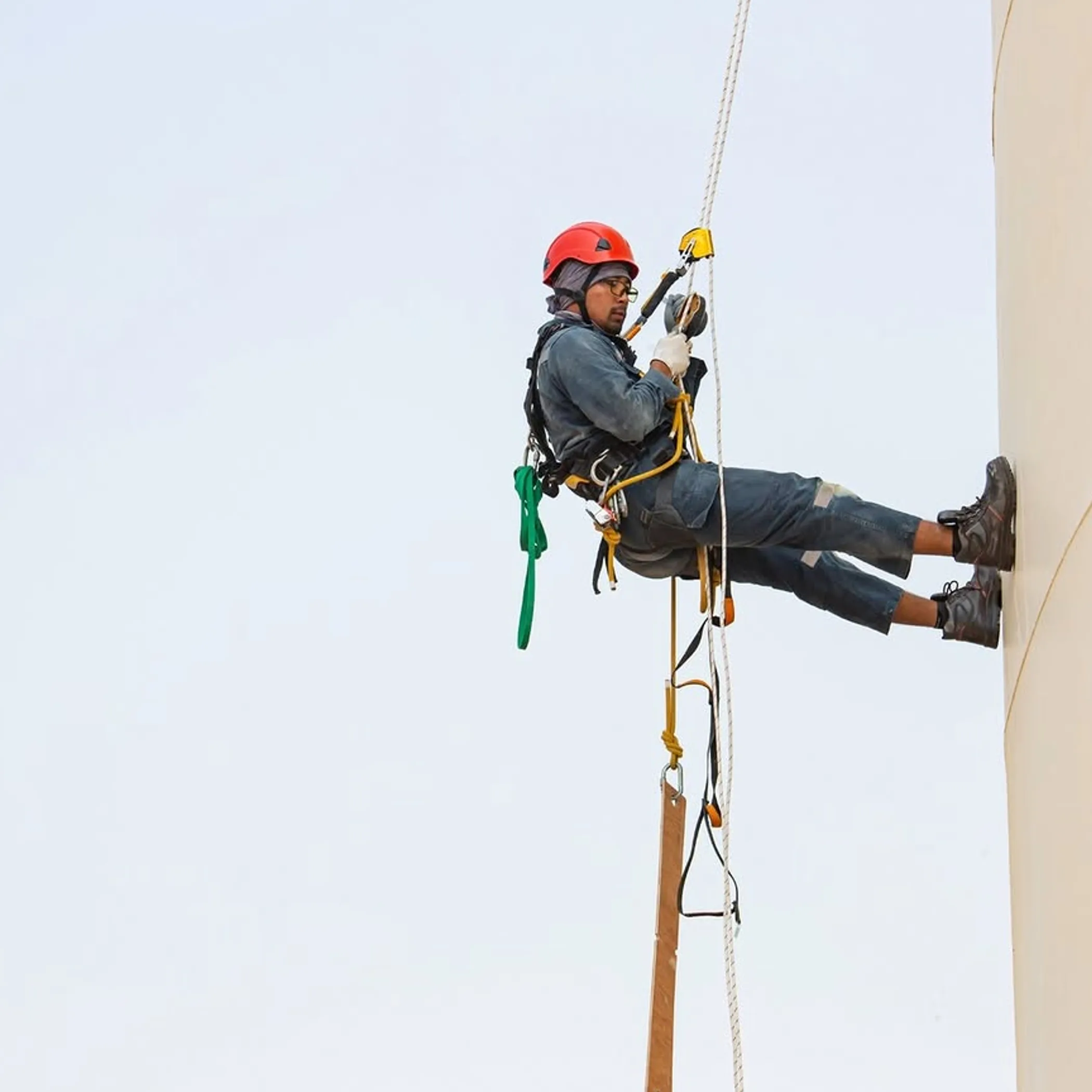
Remember that a fall restraint system is there to keep the worker from getting to the point of a fall. The purpose of a fall arrest system is to mitigate what happens once a fall is in progress. Do not be under the impression that they are all the same, or that putting on a harness of itself makes for a safe system. In the case of work positioning systems, a worker is given support to do his job but there is still a need for the right equipment and anchorage as well as a rescue plan. The course will put such distinctions in plain English; jargon does not tell one where to put a clip.
Course Length And Assessment
A practical day of training is how most RIIWHS204E courses are put together, though the provider, the site and the experience of those taking part will dictate the timing. Factor in some time for travel, to register, for any written questions and to get fitted with equipment.
For a worker who has done his homework a day is realistic. Yet it can be a hurried affair if the participant is new to harnesses, has only a working knowledge of English, requires reasonable adjustments or is being put through his paces with unfamiliar gear.
What To Expect In A Day
There will be an element of both theory and the practical side. One might cover WHS legislation and Australian Standards, put in a harness, inspect gear and show safe conduct in a simulated setting or at the workplace, and put in place the necessary controls and access plans.
Assessors are not interested in a test of memory when it comes to the practical. They want to observe a process: the hazard is identified, the control put in place, the plan communicated and the right response made should conditions alter. I have seen it in my time as a diver, with a nervous type preoccupied by the more conspicuous apparatus and neglecting to check a strap or a seal or the signals. It is the same in heights training. The small things are what separate something that is ready to use from something that merely appears so.
Costs And Locations
How much you pay for a working at heights course is dependent on the state, the group, the format of delivery and if the cost of equipment or an assessment at the workplace is factored in. An online ad is no more than a starting point for a quote, let alone when you add in travel or the odd extra attempt at assessment.
By way of a planning guide, public one-day offerings will run in the region of AUD 180 to 350 a head. For a private group the figure is closer to AUD 900-2,000 or upwards, contingent on numbers, location and so on. These are indicative, not set in stone nationally.
| Course Option | Typical Timing | Indicative Cost | Best Fit |
|---|---|---|---|
| Public classroom and practical | One day | AUD 180-350 per person | For individual workers or a small team. |
| Private workplace | One day or longer | AUD 900-2,000+ for the group | Where the employer wants examples from the site. |
| Blended | Online theory with a practical session to follow | Pricing akin to the classroom | Flexibility in theory study. |
| Refresher/verification | From a few hours to a day | Varies with provider and employer | To put updated evidence on file for the experienced hand. |
Locating A Course
Put “working at heights training near me” to the search engine and look into the provider’s scope and assessment arrangements. The likes of Sydney, Melbourne, Brisbane, Perth, Adelaide, Canberra and Darwin will have plenty to choose from, a regional worker may have to make the trip or put on a private course.
In NSW ensure the provider is running the current unit and can account for local site requirements and the practical venue; the same holds true in WA, Queensland, Victoria, South Australia, Tasmania, the ACT and the Northern Territory.
Do the logistics. Is there parking? Is the venue accessible by public transport? What kind of clothing and footwear is called for? Will the practical be indoors or out in the wind and rain? A depot course is handy enough but a venue a few suburbs over can stretch out the day considerably when the train, bus and coffee line are all against you.
Online Training
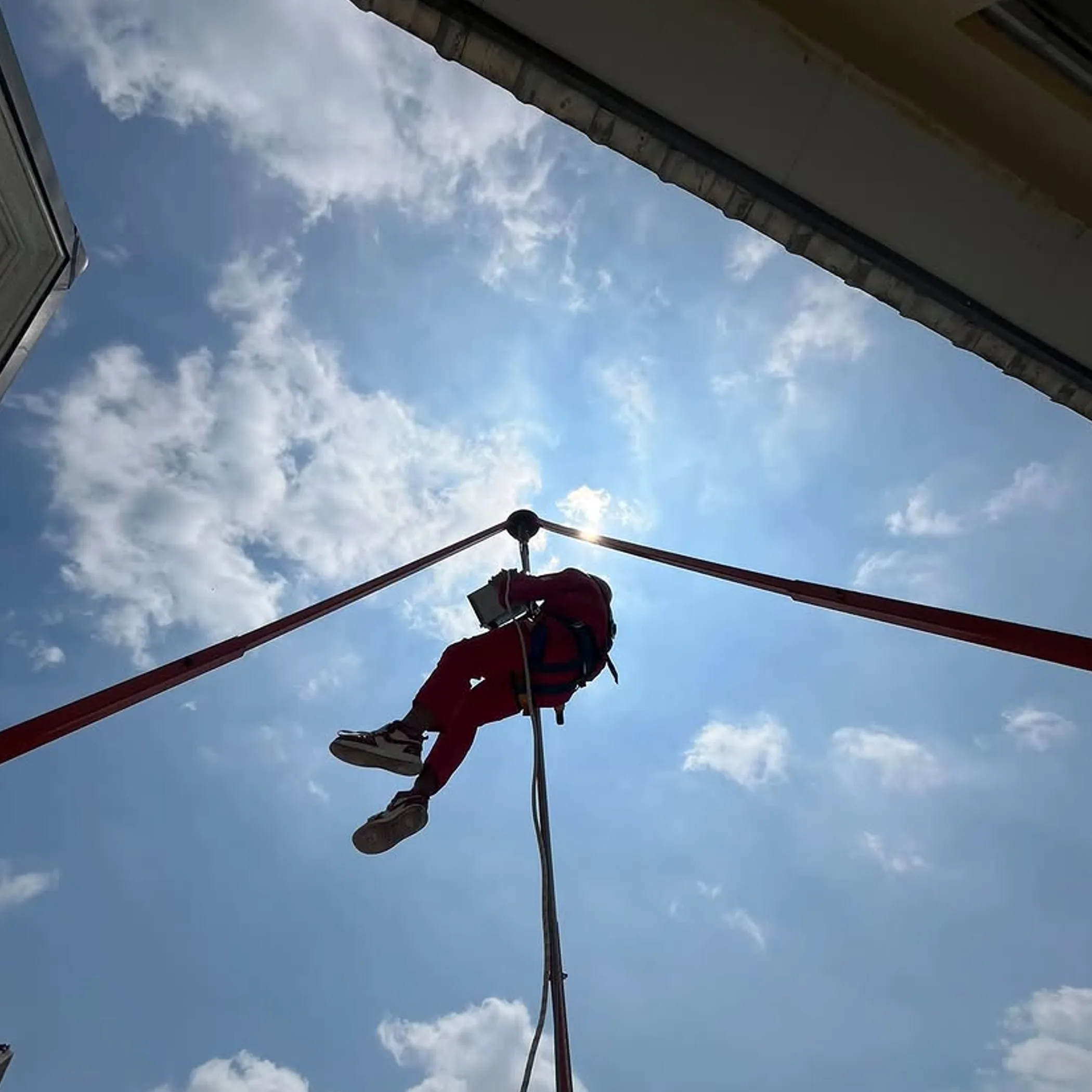
There is flexibility to be had with online working at heights training, for revision and pre-course theory. That is not to say it will demonstrate a worker is capable of safely using and fitting his fall protection in the real world.
Make sure you know if it is a blended course, fully online or an awareness module. Should a provider put forward that he can issue a RIIWHS204E of national standing without any practical component, verify that directly.
When Online Training Works
It can be a good fit for the remote employee doing theory before the practical, or an employer with a blended model, or for an experienced worker wanting some flexible hours. It is also a way to go over the terminology of anchor, fall restraint and arrest systems prior to turning up in person.
An online course will not do as the sole means of preparation for a worker with no harness experience, one who has to contend with fragile or sloping ground, requires some hands-on rescue work or is subject to a site’s particular competency demands.
Refreshers And When They Lapse
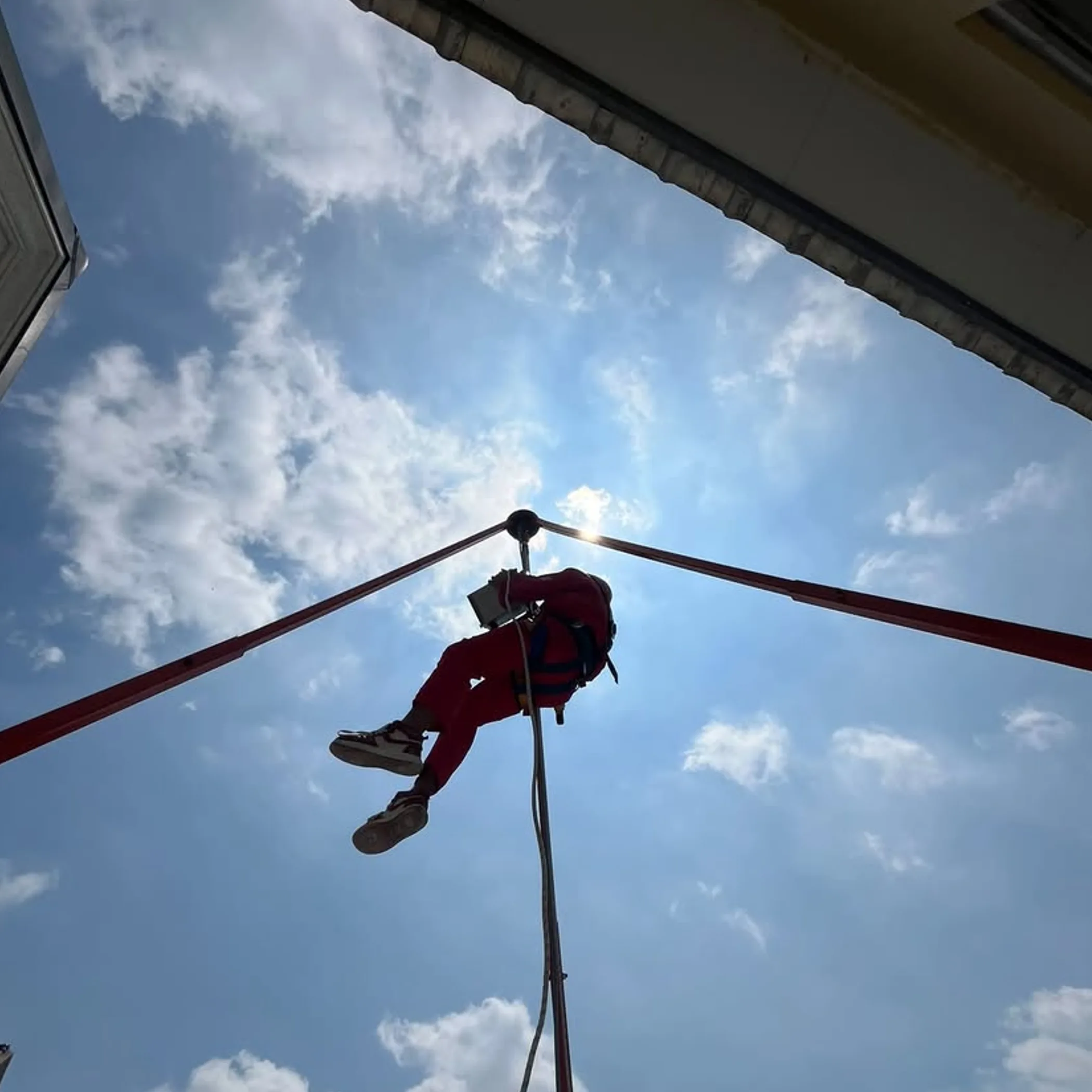
Under RIIWHS204E there is no national expiry date that is imposed on all workers. But an employer or training provider might put forward refresher training for working at heights at irregular intervals if the nature of the work is high risk or there have been changes in procedure and equipment.
Do not be fooled by a card in your wallet; plastic is no testament to readiness when practical skills have gone to seed. Have a look at your Statement of Attainment, competency card, the rules of site induction, what the client wants and your employer’s policy.
Time For A Refresher?
Any number of things should prompt refresher training: a spell away from heights work, new equipment, a near miss or incident, a different work environment, a major overhaul of procedure or simply seeing that controls are being misused.
And when workers make the move from construction to mining or maintenance and other industries, employers ought to review their competency. The harness may be the same but you can find anchor points, access and environmental hazards to be an altogether different proposition, as can the rescue plan.
Selecting A Provider Of Repute
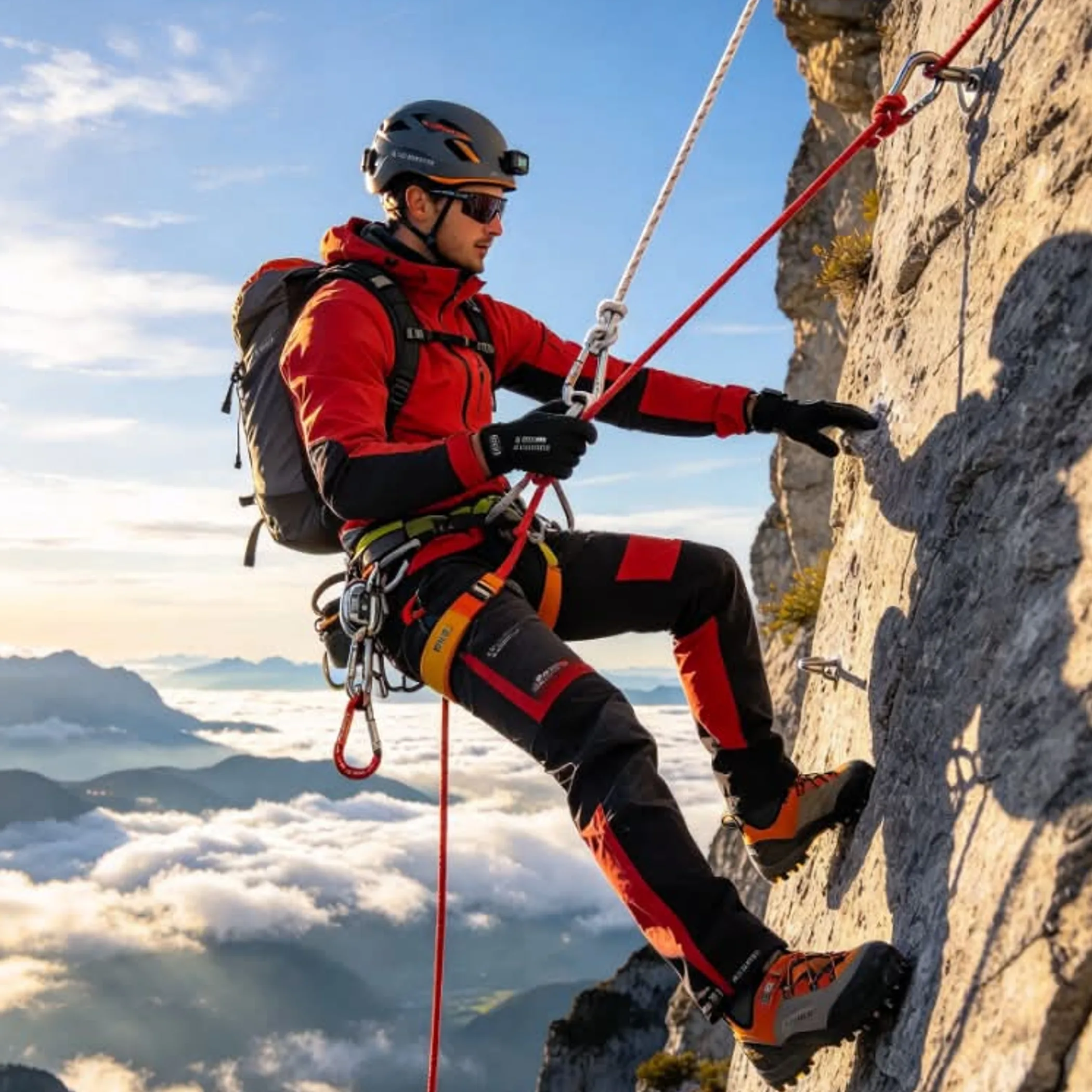
Quality of the course is what makes the difference to how a worker performs when things get rough. So do not be swayed by the lowest advertised price, see that the training is representative of the risks and equipment involved. One might come across CFMEU Education & Training, Pinnacle Safety and Training or the Major Training Group in the course of looking at Australian options, but scope and availability are prone to change so put in a call to check before booking.
What To Do Before You Book
- Make sure it is a nationally recognised RIIWHS204E where needed.
- Find out who puts out the Statement of Attainment and what evidence comes of the assessment.
- Get confirmation on the trainer, venue and the practical side of things.
- Inquire as to language support, accessibility, resits, cancellations and what happens with a lost card.
- See if the course is a fit for the kind of work your employer does and whether you will need something more for EWPs, confined spaces or site access.
- Read the fine print on prerequisites.
Some will want to see you in enclosed footwear, long trousers and hi-vis, others provide the gear but expect you to have clothing to kneel and climb in.
Some FAQs
These tend to be the ones put to us when comparing tickets and courses. The answers below are short and to the point, though in the end your employer’s risk assessment is the practical test.
Training in Australia
Your state or territory will have industry organisations and registered providers for RIIWHS204E. A search by region or capital city will turn them up but do not part with your money until you have checked on national recognition and the like.
How frequently to retrain
You will not find an interval that suits every worker in Australia. Be guided by risk assessment and policy and do not put off a refresher after an incident or a gap in your skills.
Is an online option enough?
Theory can be done online or via a blend of methods, but a practical is called for with any nationally recognised competency in this field. Do not assume an online module will satisfy your workplace without checking with the provider.
Does the ticket have an expiry?
RIIWHS204E does not in itself set a universal date for the card. It is a matter of the evidence and what the site or employer dictates. Keep on top of your records and ask if they want to verify or refresh.
More pay for heights work?
There is no rule to that effect. The rate of pay is determined by the award, enterprise agreement, location, the role and the employer. The training may open a job to you but it is not a sure thing for a better hourly wage.
Opt for the safer route
A good course is one you can put to use, with a practical component that means something and you can talk the controls without a script. Put the cost, venue and unit code to the comparison.
Should you be pressed for time and have only a day to put training in place, go with a face-to-face RIIWHS204E from an approved provider where the equipment requirements are plain. Better to put the awkward questions to them than to be halfway up a roof and find the certificate or the anchor system is not up to the job.
