When I am asked for a straight answer about booking Ningaloo, April to October is what I put forward. This is considered the ideal Ningaloo travel month. For the most part Exmouth and Coral Bay are more agreeable then, the air does not have the edge of a January day and you will find the wildlife calendar is as it should be for the majority of visitors.
Having made my living and home on this coast I can say it is not the Instagram postcard that puts a stop to your plans. It is an 11.30 wind shift or the UV in June which will cook you as well as February’s, or finding the accommodation fully let in May. Or the notion that more heat makes for a superior holiday on the reef.
A look at the climate
You will not get four neat storybook seasons in Ningaloo, it is either hot and messy or dry and easier on the North West Cape. Temperature is one thing but I am as concerned with the swell and the state of the sea and if a boat ride is any good after lunch. Exmouth and Coral Bay follow the same pattern for the most part though you might find Exmouth more exposed when there is a breeze.
What the figures tell you
The questions I get from travellers are invariably the same: how hot, warm water, comfortable nights, will the wind make a mockery of any snorkelling?
Rain is to be expected from November to April but you can have a glassy 24 C day that is preferable to something hotter with chop and swell. So I will have a look at what the Bureau Of Meteorology has for Western Australia and see how it squares with the local operators’ reports from the water.
By way of a seasonal overview
Autumn is what I would recommend to most. Then there is spring for the shoulder-season snorkeller, winter is the gentlest on the body and summer for those who know what 36 C does to you on a boat ramp. There is a world of difference between a photo of Turquoise Bay in July and one in January once you are there.
Summer
Cyclone season in northern WA sees December through to February get hot and, by our standards, sticky. The mercury will run 35 to 38 C in the day with the sea at 27-29 C; the glare and the chance of a storm will take its toll. Some like the quiet weeks and the temperature of the water but I do not advocate it for those making their first visit. Come 2 pm the ones with an all-day beach in mind are under the air-con with a half-melted ice coffee from the servo, nursing a rashie and sore shoulders.
Autumn
Ningaloo tends to settle down from March to May. Whale sharks put on a show after the coral has spawned and the summer heat is a memory. Were a friend to put me on the spot for a single month I would go with May. You get the warm sea and the wildlife without the weather troubles of the build-up months and the days are fine.
Winter
For anyone loath to be roasted, June to August is the time. The humidity is gone, the trip is simpler, days are in the mid-20s and the nights in the low teens. Humpbacks are out in force. And it is when the folk from Perth or Melbourne come down expecting T-shirt weather in the evening and are buying a jumper in Exmouth at 7 pm.
Spring
September to November are very good months, if you want some room to breathe and a decent swim off the reef and not the rush of an April or May. I am fond of putting September and October in front of people. Mind the wind though, linger over your coffee and the best window for a snorkel could be done and dusted by the time you get to the beach.
Guide by the month
Take the table below for what it is, a planning tool. A windy Tuesday can outweigh the average and conditions in Ningaloo are not the same from one year to the next. Averages are useful for what they are.
| Month | Typical Max C | Typical Min C | Sea Temp C | Rainfall Pattern | Travel Notes |
| January | 36-38 | 24-26 | 27-29 | Some risk of summer rain | Keep an eye on the cyclone season, expect hot and humid at times |
| February | 35-37 | 24-26 | 28-29 | Summer rain is more likely | Water is very warm, one can have storms |
| March | 34-36 | 23-25 | 27-28 | Variable though easing | A month of transition to see some wildlife in the warming weather |
| April | 31-33 | 20-22 | 25-27 | Less of a chance of rain | Suited many a traveller well |
| May | 27-29 | 17-19 | 23-25 | The dry season takes hold | Whale sharks are at their best, days are comfortable |
| June | 24-26 | 14-16 | 22-24 | Rainfall is low | A popular time for its mild days and cooler mornings |
| July | 23-25 | 13-15 | 21-23 | Low rainfall | Humpback whales and road trips are well served |
| August | 24-26 | 13-15 | 21-22 | Low rainfall | As a rule it is dry and pleasant if not a bit busy |
| September | 26-28 | 15-17 | 22-23 | For the most part dry | A good shoulder season with swimming to be had |
| October | 29-31 | 18-20 | 23-24 | Usually dry | An all-round option with some warmth |
| November | 32-34 | 21-23 | 24-26 | The heat is back on and there are no longer the winter crowds, even if the rain is still off | |
| December | 34-36 | 23-25 | 26-28 | You will see the summer rain risk come back, as does the demand from holiday makers |
The Bureau of Meteorology and Tourism Australia would have you believe these numbers are in keeping with the region’s long-term trends and I use them in my planning, but only as a rough guide. One degree in the forecast does not put the same damper on a day here on the coast as a sea breeze in the afternoon.
Water Matters More
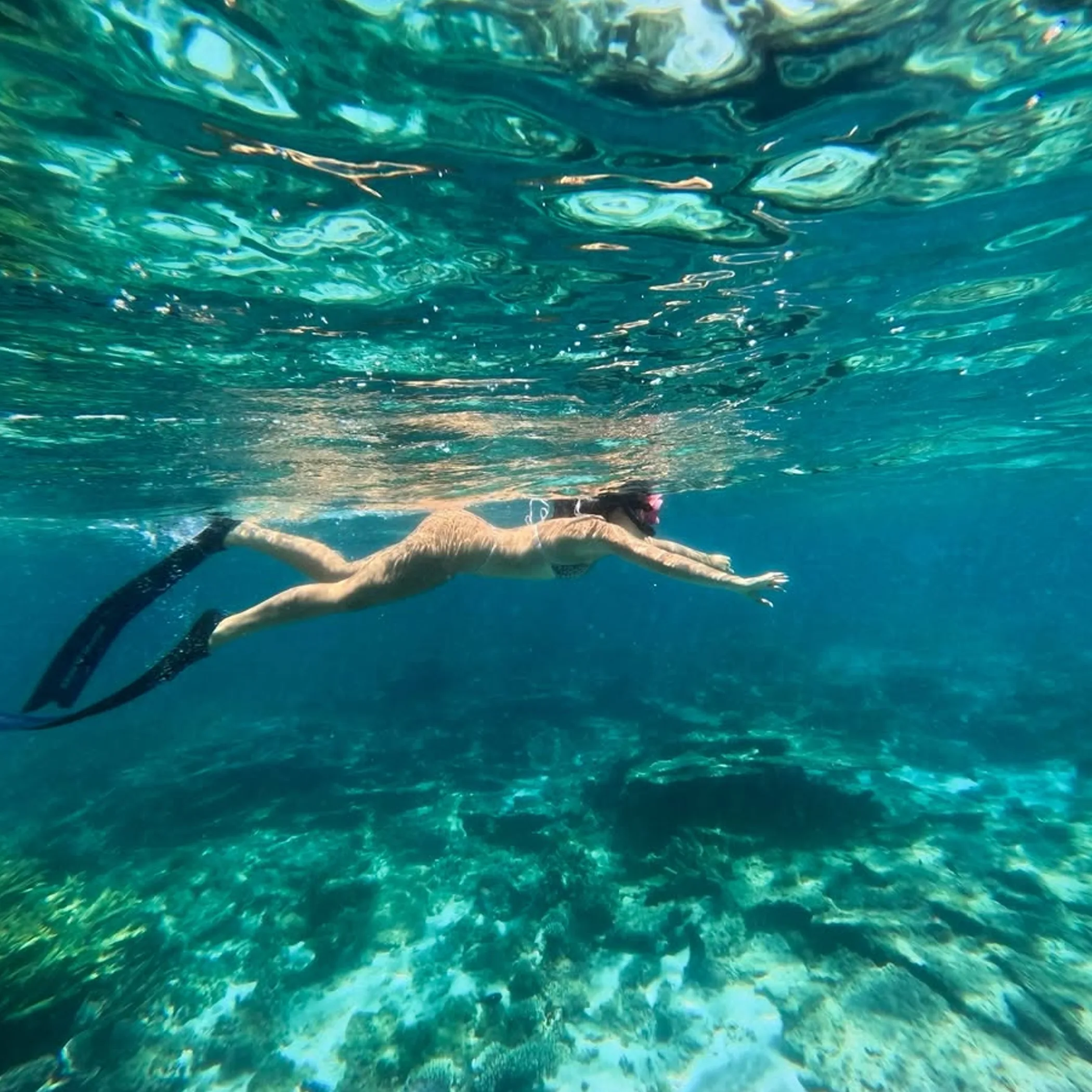
Put it to most people about the Ningaloo Reef and they want to know about the sea: is it cold, will I be put about, is the visibility worth it or can I go for a snorkel?
They have a right to ask.
In the old days when I was putting guests through their paces before we put to sea, I would spot the same thing. They were looking at the air temp on a phone and not thinking of the salt and glare from the water or the wind on a wet back. Come your third swim a 25 C day can seem rather nippy after the lulls between.
Visibility And Currents
You will find the morning is to your advantage in the shoulder and dry months. There is no point going out after the afternoon has put the surface in a state, which happens earlier than you think on the Exmouth side of things. A novice will see it in short order. I have been on a boat at 11 am where the water was calm at 9 and now is a mess; confidence wanes, the mask fogs and before you know it half of them are hanging on to the ladder as though it has done them wrong.
Comfort In The Water
Summer and the first part of autumn see the warmest of Ningaloo waters, 27 to 29 C or so. In winter you are looking at 21 to 23 C. Plenty will make of that what they will, but a wetsuit is advisable for the odd long snorkel in July or August, or with children who are quick to cool. April through to October tends to be the easy option for those of a nervous disposition, offering a decent warmth without the extremes of a winter morning or the summer.
Wildlife Timing That Counts
I make my plans for Ningaloo by the animal and advise others to do the same; it makes the whole matter of weather a non-issue. Do not let it be said you had the sunshine and yet were none the wiser for having come.
Whale Sharks And Manta Rays
Ningaloo’s whale shark season runs from March to July generally, though you will find the heaviest demand in Exmouth for the coral spawning months of April to June. Book late and you are left with ugly prices or not much to choose from in the way of tours and accommodation.
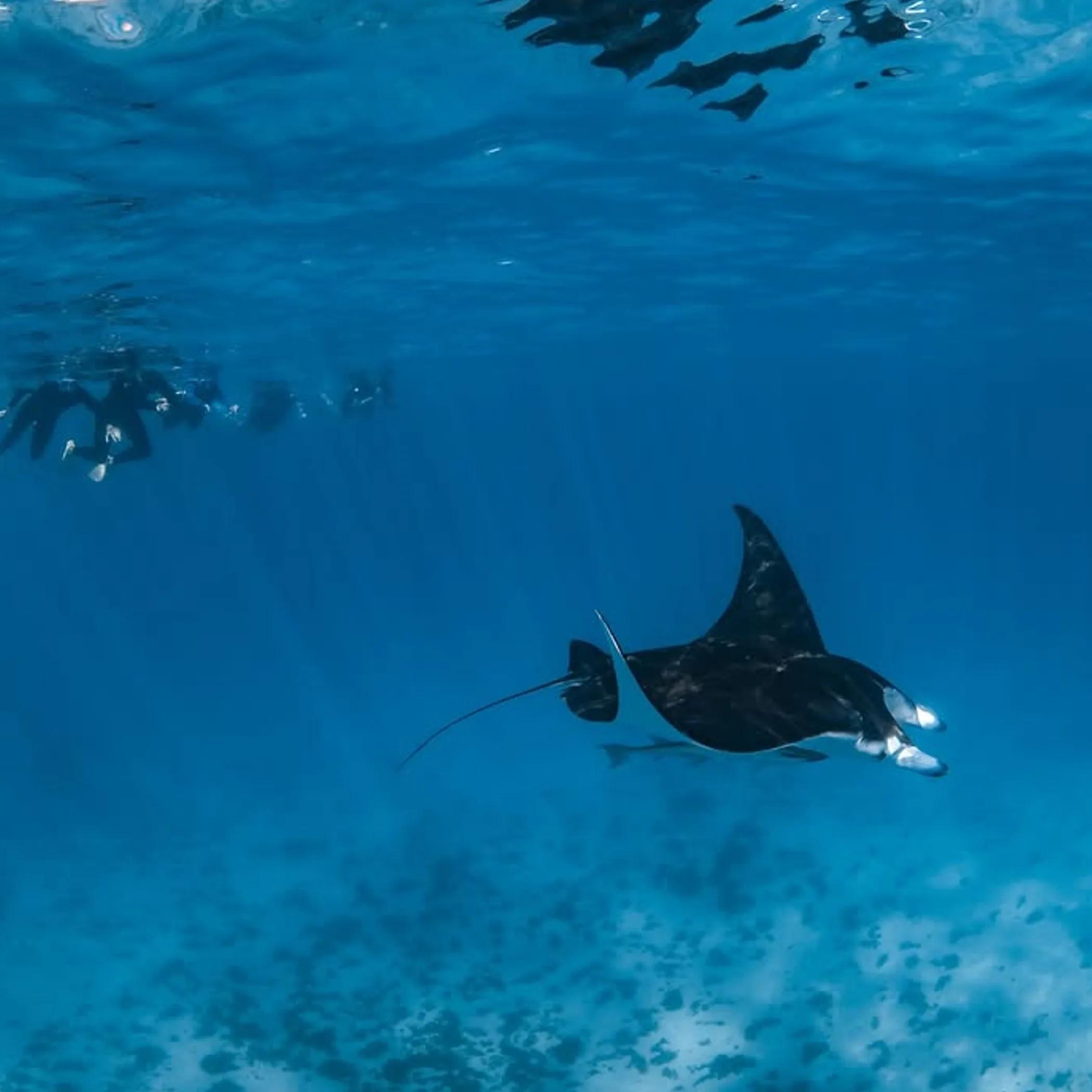
As for manta rays they are to be found in parts of the reef year round, and the talk of the town is Coral Bay. Should they be what you are after, do not make of Coral Bay a mere afterthought to an Exmouth trip.
Humpbacks And Turtles
For humpback whales you have the period from June to October. I would put in for July to September for the milder weather and to avoid the tedium of summer if one is intent on some boat-based watching.
Turtle nesting and hatching is a function of the species and the beach, but visitors in the summer are the ones who get in on the action. Leave it to a licensed operator to tell you what is allowed, as there is nothing like a torch and good intentions on a dark beach to make a nuisance of yourself and the turtles.
Best Month By Activity
There is no single month that will be right for all. But if you are after a straightforward answer and have no particular wildlife in mind, I would put my money on May as the best all-round option.
Then again, to be frank, there is a drawback: with its popularity May can be exasperating when it comes to what you pay and what is available. Should you have little patience for crowds and more for the whale shark hype, a September visit might be preferable.
- May for the warm water and good daytime conditions as well as whale shark demand.
- April through June for the whale sharks.
- July to September for humpback whales.
- June to August when the weather is milder.
- For a warm swim but not the height of summer heat: April, May or October.
- September and October to avoid the winter throngs.
With only a day to spare, do not make plans too complicated. Book an Exmouth tour for the whale sharks or humpbacks if the season is right, or put in your time at Coral Bay where reef access is more convenient. It may seem like a good idea on Google Maps to cover both Exmouth and Coral Bay in one day, but get in the car and it is absurd.
Risks People Underestimate
You don’t need to be half-prepared in Ningaloo or it will show. The trouble you run into is seldom a dramatic rescue; it is the dull stuff like sunburn and dehydration, road fatigue from a missed fuel stop or rough water, bad timing, or having no plan B when a tour is called off. That is the sort of thing I come across much more than the disaster scenarios one envisions.
Cyclones, Heat And UV
In northern Western Australia the cyclone season is November to April and summer has a way of upending your itinerary. A December trip is not necessarily ill-advised, but leave some leeway for heavy rain, wind or a closed road.
And the sun is an issue any time of year. Put in four hours on the water in June without a hat and some decent sunscreen and you will be as burnt as in January.
Marine And Road Safety
Be realistic about what you can handle when you are snorkelling. An 8.30 am beach entry is one thing, but with the surge coming in it is quite another; some of the more exposed places are not for novices even if the day looks fine. The lagoon or a guided outing is wiser for the nervous type.
The drive from Perth to Exmouth is 1,250 kilometres, no small matter, so anyone with sense will make it a two-day affair at least.
Practical Planning
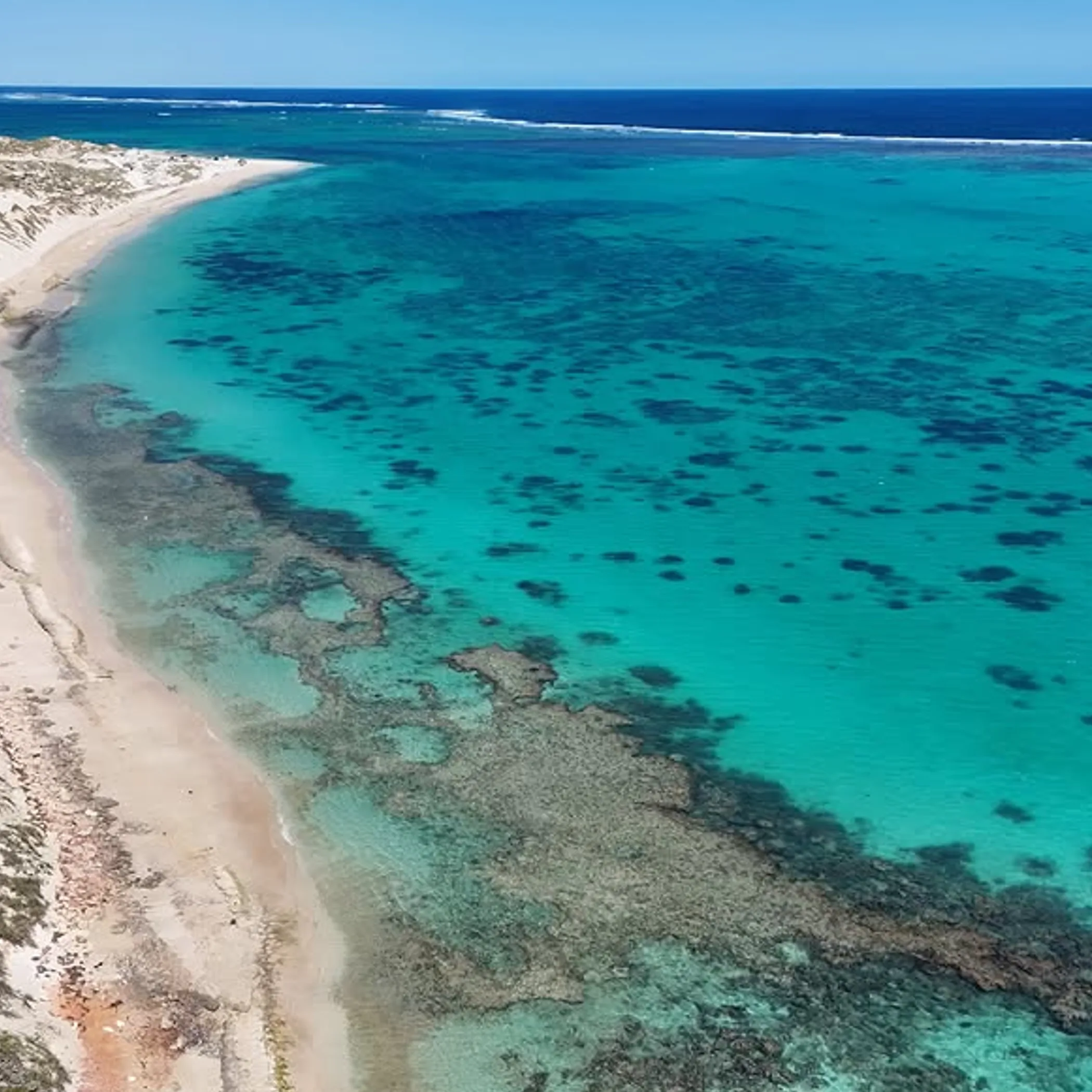
People tend to overlook this and wish they hadn’t. Ningaloo is made for those who do a little prep. Exmouth has the flexibility and the tours, and is better for Cape Range should anything change. Coral Bay has a village atmosphere and is unpretentious for getting to the reef. If the budget allows and you want some bush comfort, Sal Salis is very nice indeed.
Getting Around And Costs
The fastest way to Exmouth is to fly to Learmonth and put wheels on a hire car. One can have a fine time driving the long remote stretch from Perth, provided one has factored in the cost of fuel and put-ups for the night, and that people get tired after enough of the open highway and big skies. Don’t be surprised to find the peak months for wildlife put a dent in your wallet. Then there is the matter of car hire which can be a sudden spike in costs, and you will find motel rooms in Exmouth or Coral Bay are in short supply. A day out with the humpbacks or whale sharks tends to be the most costly part of your budget.
When you are at one of the self-drive snorkel sites, make an early start. It is the only way to avoid the heat and wind that come with a late morning arrival at Oyster Stacks or the Cape Range beaches, not to mention having to put up with a full car park.
Packing List
You do not want to be encumbered but you must have what is required.
- A long-sleeve shirt for the sun, a hat of some quality, polarised glasses and the like. Reef shoes or sandals, a dry bag and some sea-sickness tablets you are sure of. Pack sensible reef habits too.
- For those long days on the beach or boat take electrolytes, snacks and water bottles you can refill.
- Throw in a warm layer for the ride home or a winter dawn and some light ones as well.
- And for remote driving, have a fuel-first attitude, an offline map and a power bank with charge to spare.
I am wont to see the error of leaving things to the last minute time and again. The “we will deal with it on arrival” mentality in the school holidays or in months like April, May and July will cost you and leave few options.
Some Things To Check Before You Head Off
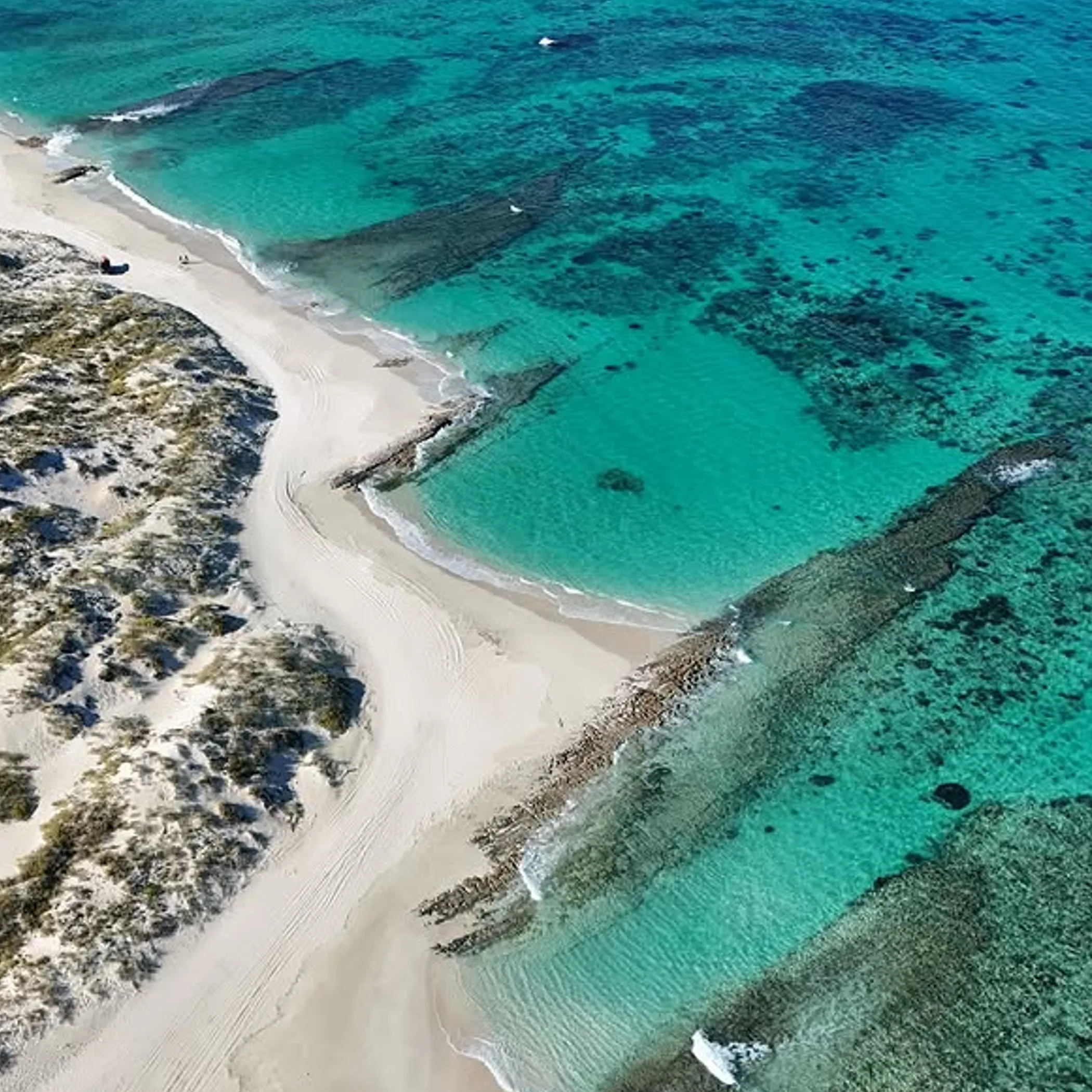
Any trip to Ningaloo should be preceded by a look at the wildlife, marine conditions and tour notes from the forecast. The locals will have an idea by first light if a site is going to be glassy or windy, or if it is not worth the fuel.
For the overall timing of your trip Tourism Australia is fine, but as you get closer to the date put more stock in a BOM forecast or an update from an operator in Exmouth or Coral Bay than some seasonal guide put to paper half a year back. A quick check on the winds will be more instructive.
In the end
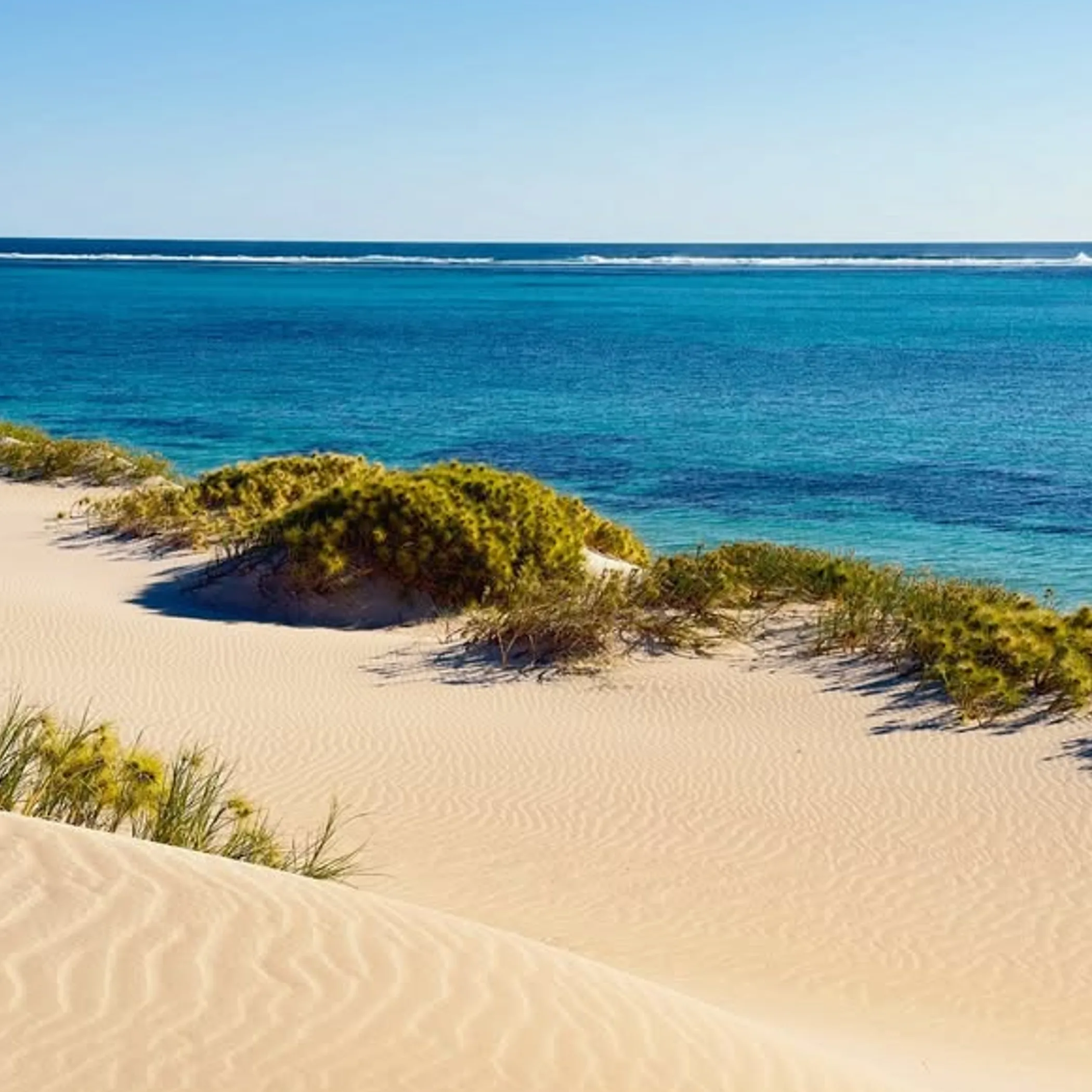
Should your dates be open, April to October is the easiest window to book, with May being a good place to begin. Let the wildlife dictate the month. Be up and about early for your water days and have more water on hand than seems necessary. Do not assume an ocean calm at 8 am will remain so come afternoon.
Frequently Asked Questions
Best month for Ningaloo?
I will say May without hesitation; you get the whale sharks, warmer seas and less of a bake in the day all in one. But for humpbacks I would have you wait until winter or the turn of spring.
Whale sharks in Western Australia?
The bulk of the action at Ningaloo is between March and July, with the prime time being April to June. Do look at the tour calendars before making a booking as the season is not set in stone.
Manta rays?
They are to be seen in some quarters of Ningaloo all year, in Coral Bay in particular. Make a few days of it so the weather does not put a stop to your plans.
What of the weather at the reef?
Hot and dry for the most part. You will have more humidity and the odd cyclone risk in summer, but autumn and spring are easier going for most activities and winter is the most agreeable for many.
Is one too cold to snorkel in the winter?
Not at all. At 21 or 23 C the water is no problem for the majority, a wetsuit helps, and you are likely to be more concerned with comfort on the boat than what the thermometer says.
