There is an emphasis on personal significance with this year’s crop of Australian native flower tattoo ideas, not to mention clean botanical lines and a style that will hold up long after you have left the studio. One will find the waratah, golden wattle, banksia or kangaroo paw are in vogue, as are Sturt’s desert pea, flannel flower, eucalyptus and the everlasting daisy.
My name is Cassian Hughes. I have been around enough of the sun, salt and dust of an outdoor life in Australia to appreciate the practicalities. An idea may be a thing of beauty on Pinterest but it can be a different matter when rendered on a small wrist. In this guide I deal with the nitty gritty: costs, safety, what to talk about with your artist, placement and the sort of errors people make.
Pick a flower that means something
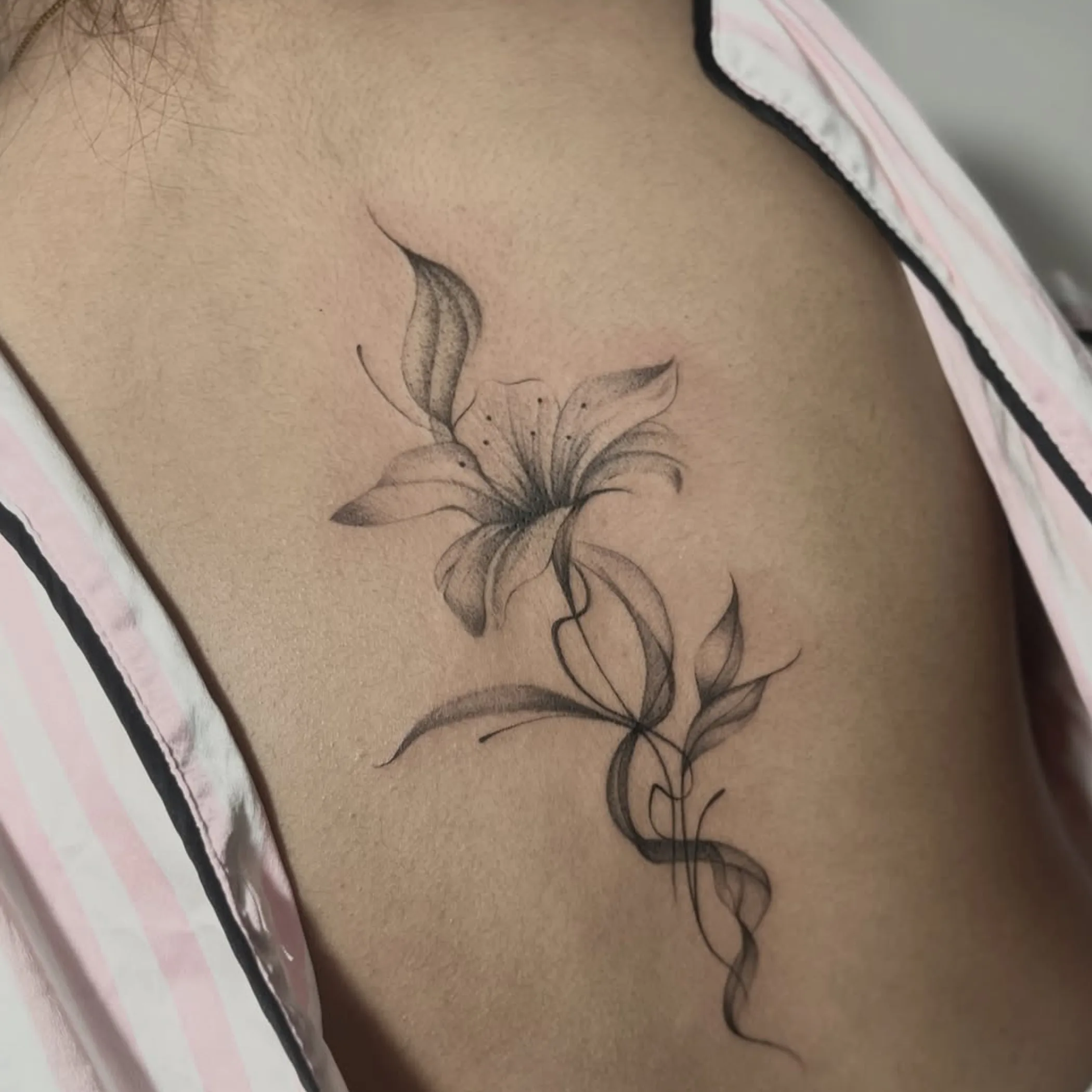
Trends don’t make for the finest native Australian flower tattoos; a story does. A waratah for its strength, a wattle for optimism or perhaps a banksia for the resilience its form suggests in the face of fire and bad weather. A delicate daisy flower tattoo can offer a softer personal symbol. Symbolism is a personal affair and there is no official tome of tattoo meanings to consult. The cultural and natural attributes of the plant will provide a sound basis for your concept all the same.
Let the symbolism fit
The waratah is hard to miss and has a firm association with New South Wales, making it a confident choice with a good silhouette. For a lighter touch the fine stems of the golden wattle are apt, often selected for the warmth and sense of identity they convey.
If you want something with more of a sculptural quality, go for a banksia. The cylindrical spikes lend themselves to strong linework and the woody nature of the flower imparts a certain durability. Then there is the kangaroo paw with its tubular, curved flowers for a change of shape and a nod to the bush. Flannel flower has a feathery softness for a gentler design, whereas the Sturt’s desert pea speaks of survival in arid parts. Eucalyptus is unassuming and as much about the leaf and branch as the flower.
Have some solid references
Do not just put a screenshot in front of your tattoo artist without first ascertaining the true form and leafing of the plant. The reference collection at the Australian National Botanic Gardens is a good way to compare species and ensure you are not getting something that is only nominally native. People have a habit of making every Australian flower into a round daisy but a boronia, grevillea or eucalyptus are nothing of the sort. With a proper image to work from the artist can put down a plant with purpose and not some off the shelf floral sticker.
Make a statement with a native bouquet
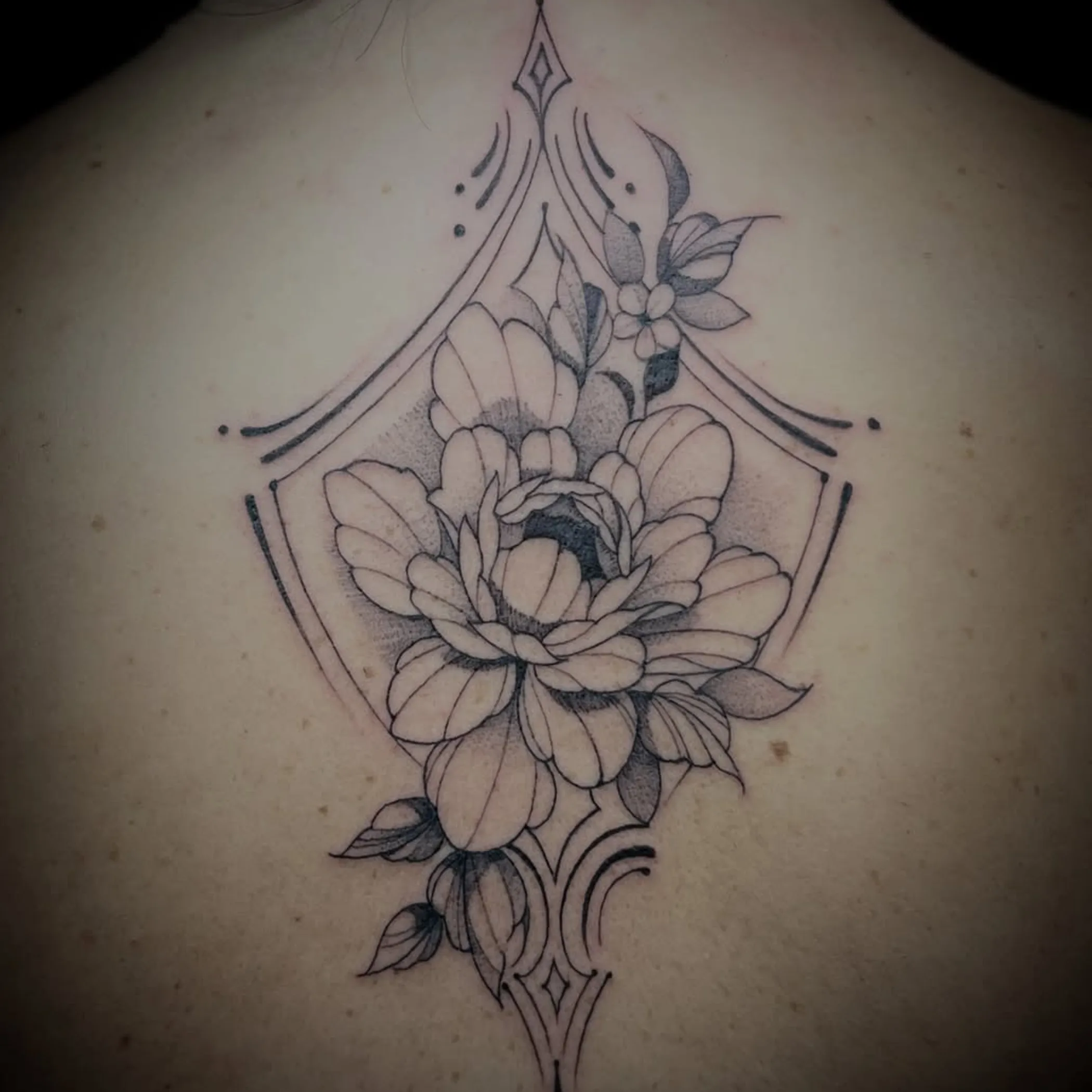
You can have a single flower say what needs to be said or put a few together for a wider narrative. It also affords the artist scope to put some balance and movement into the piece. Compose it like a paper version of a track in the bush, with a main point of interest and some supporting cast and room to breathe.
Waratah, Wattle and Banksia
Put these three together and you have contrast. The waratah is the rounded focus, the wattle gives you fine sprays and the banksia some height and texture. Make of it a forearm or upper arm tattoo or a rib piece of moderate size. But do not overdo it, seven jostling blooms will not read as well as three done properly. Out on the Western Australian coast I have seen how much space is left between the flowers in the wild. There is value in that in a tattoo.
Some less common options
For directional lines and curved petals a grevillea is worth considering. Boronia is better suited to a delicate composition and a flannel flower to soft black and grey with a light hand on the shading. An everlasting daisy has a simple outline and is very much a no fuss option; the papery look of it makes a fitting memory tattoo with a date or word or two in script.
Readability in a small tattoo
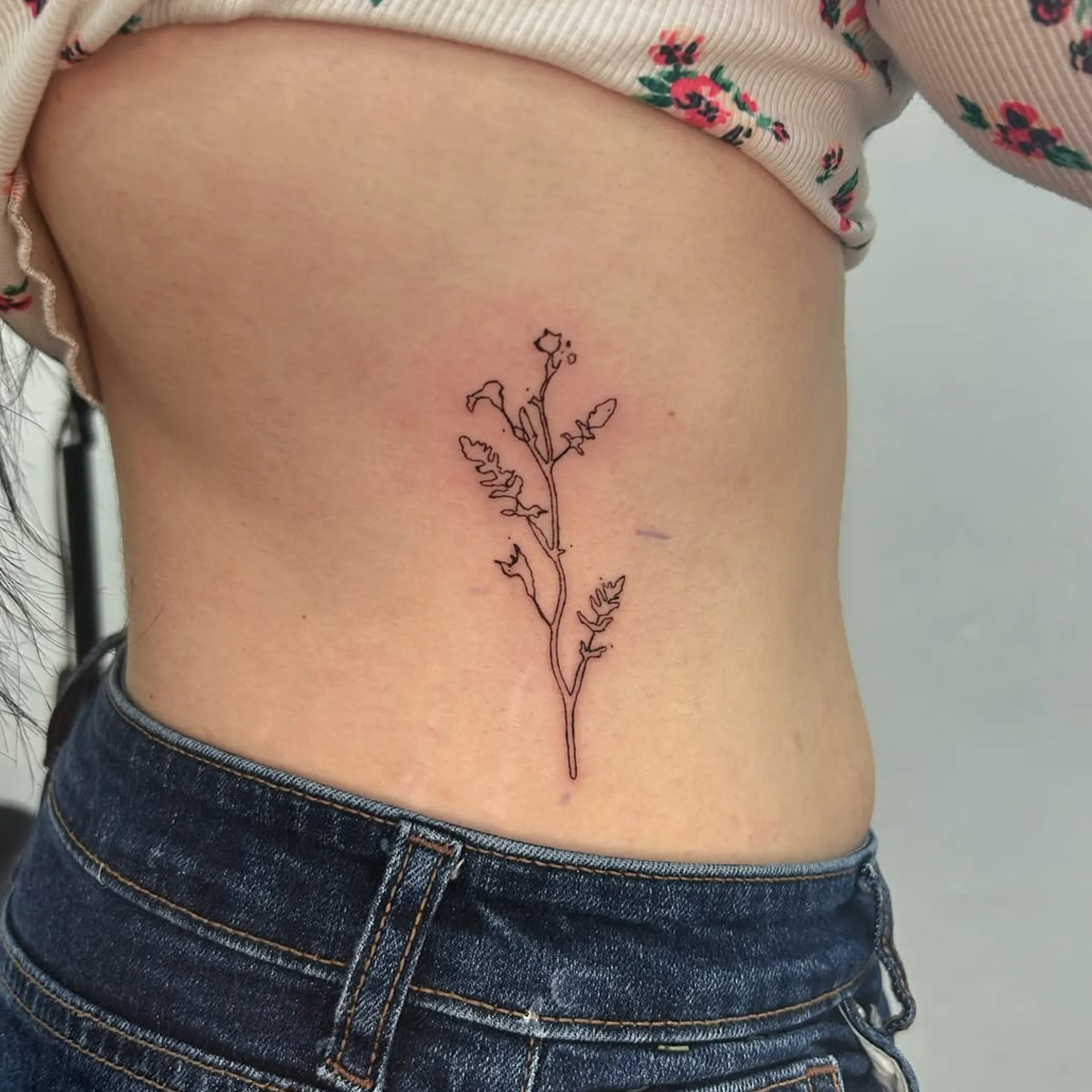
They can be subtle yet still have an identity. Go with a flower of clear outline and be aware that the finer points will mellow with time. Give the petals of a daisy on an inner forearm or ankle the room they need and it will be fine. One should not mistake a small tattoo for one devoid of detail, but the artist will have to be about as intelligent in his simplification as he can.
Best Flowers For Small Designs
For compact work there are some good options: an everlasting daisy, boronia or eucalyptus flower, and a wattle tattoo of the simplified variety. The odd shape of a kangaroo paw is still recognisable without much shading so a single one of these makes a fine small design.
Then you have very small lettering and fine stems which call for more care. The hands, fingers and feet put up with friction and the elements and sun in a way the upper arm or shoulder does not, making them less forgiving. Put it to your tattoo artist if the design might need a bit more scale before you make up your mind.
The Tiny Detail Trap
You may be under the impression that a miniature banksia will render every seed pod and leaf. In fact, ink requires its space and once the skin has healed and had time to age the finer points have a way of running together. A silhouette of sorts might not be as striking on the stencil but will serve you better on the skin.
Stick to the outer shape and a clear stem with a line or two inside for a small piece. Should you want to be botanically accurate, put it somewhere like the forearm, calf or upper back where you have room.
Colour With A Clear Plan
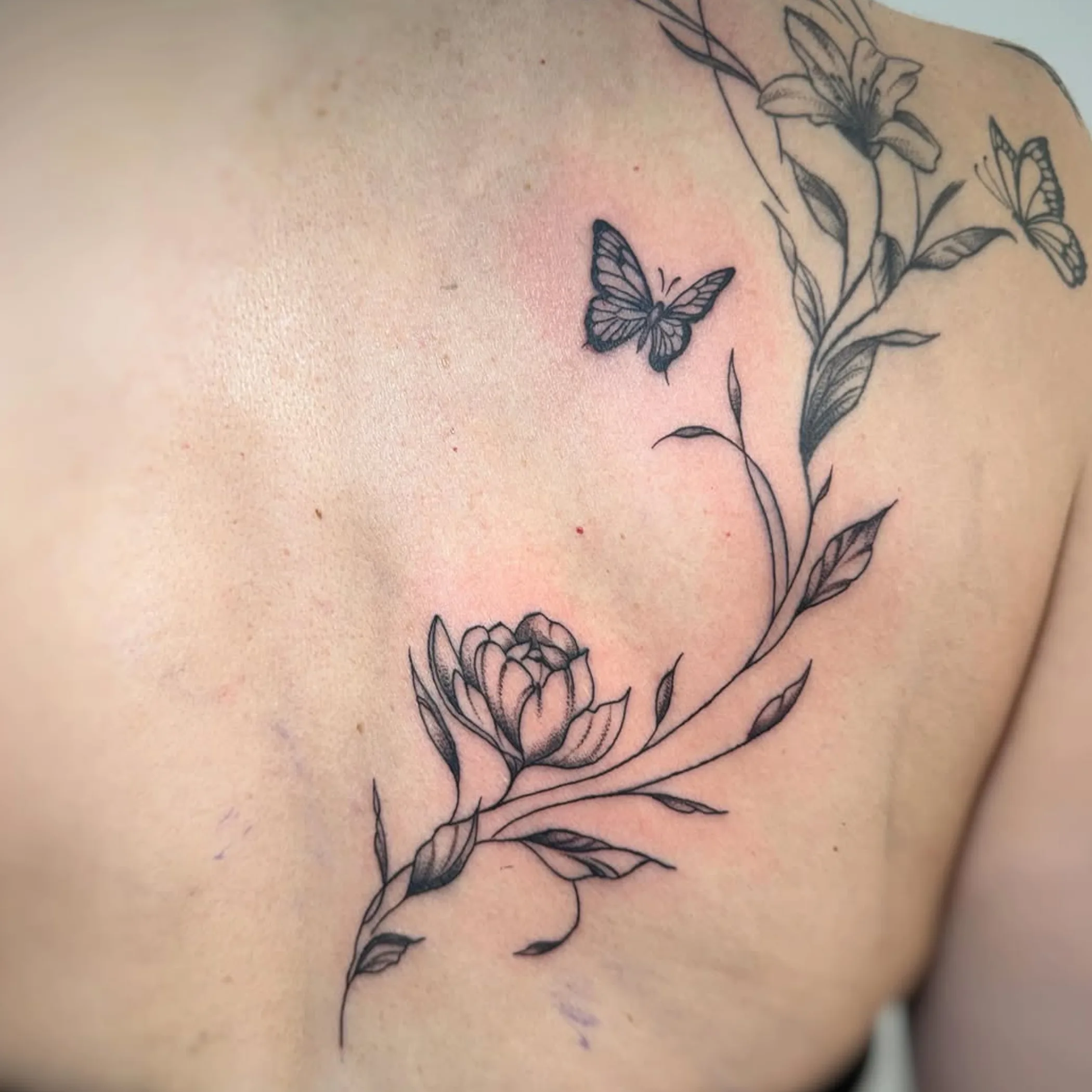
Australian flowers are all the more identifiable with colour from their natural palette. But it is a matter for more discussion over skin tone, saturation and how much upkeep you are amenable to.
Do not assume colour equates to realism. There is strength in a controlled palette; something more than a rainbow bush garden gone to pot by the dunny.
A Practical Palette
Go with rich red for waratah, warm yellow on golden wattle, pink or purple for Sturt’s desert pea and earthy ochres and greens for a banksia. Kangaroo paw can be done in muted reds or orange, or even a yellow-green to set the mood.
Black and grey is well suited to eucalyptus, flannel flower, boronia and the like. It has a way of unifying a floral sleeve when different species are given the same line and shading.
Sun And Healing
The Australian sun is no trifling matter. Healed tattoos do well with sensible protection and fresh ones demand aftercare. Diving, camping or a day at the beach can get in the way of healing, so time your appointment to steer clear of soaking and too much sun.
It is not a free pass to be careless with your skin. If it is damaged or sunburnt then put off the session and take the studio’s advice. You will not find your skin bounces back just because you have the weekend off; it is not a spare wetsuit.
Fine-Line Native Work
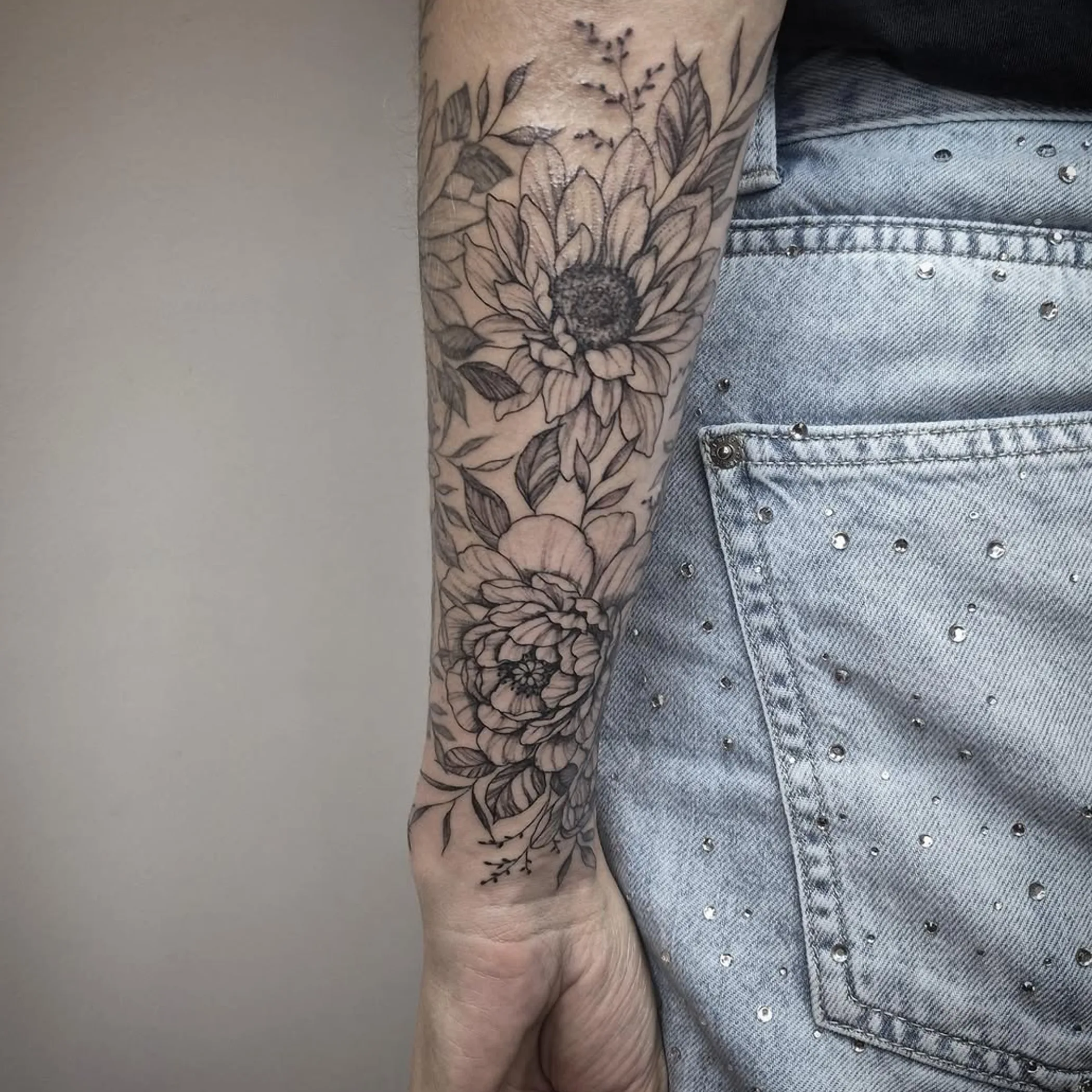
Those with a taste for lighter visuals and slender stems will find the fine line style to their liking, particularly for an eucalyptus or wattle piece.
But do not think it is maintenance-free. What you end up with is a function of the design, the placement, your skin and the technique of the artist.
Limits Of Fine Line
They are only apt for detailed designs if there is the physical room for it. On the tablet a finger tattoo and a medium forearm piece may appear equally delicate but the latter can accommodate more.
Have a look at some healed work as well as the fresh stuff. Fresh ink is razor-sharp. Healed work will tell you if the artist has an eye for long-term spacing and if pale colour has taken evenly.
Black And Grey
There is an archival quality to native flowers in black and grey. It is a good fit for botanical accuracy sans bright colour and will blend with any nature or wildlife tattoos already in place.
In the end whether you go with fine line, colour or black and grey is down to what contrast and impact you are after and your budget and lifestyle.
Placement
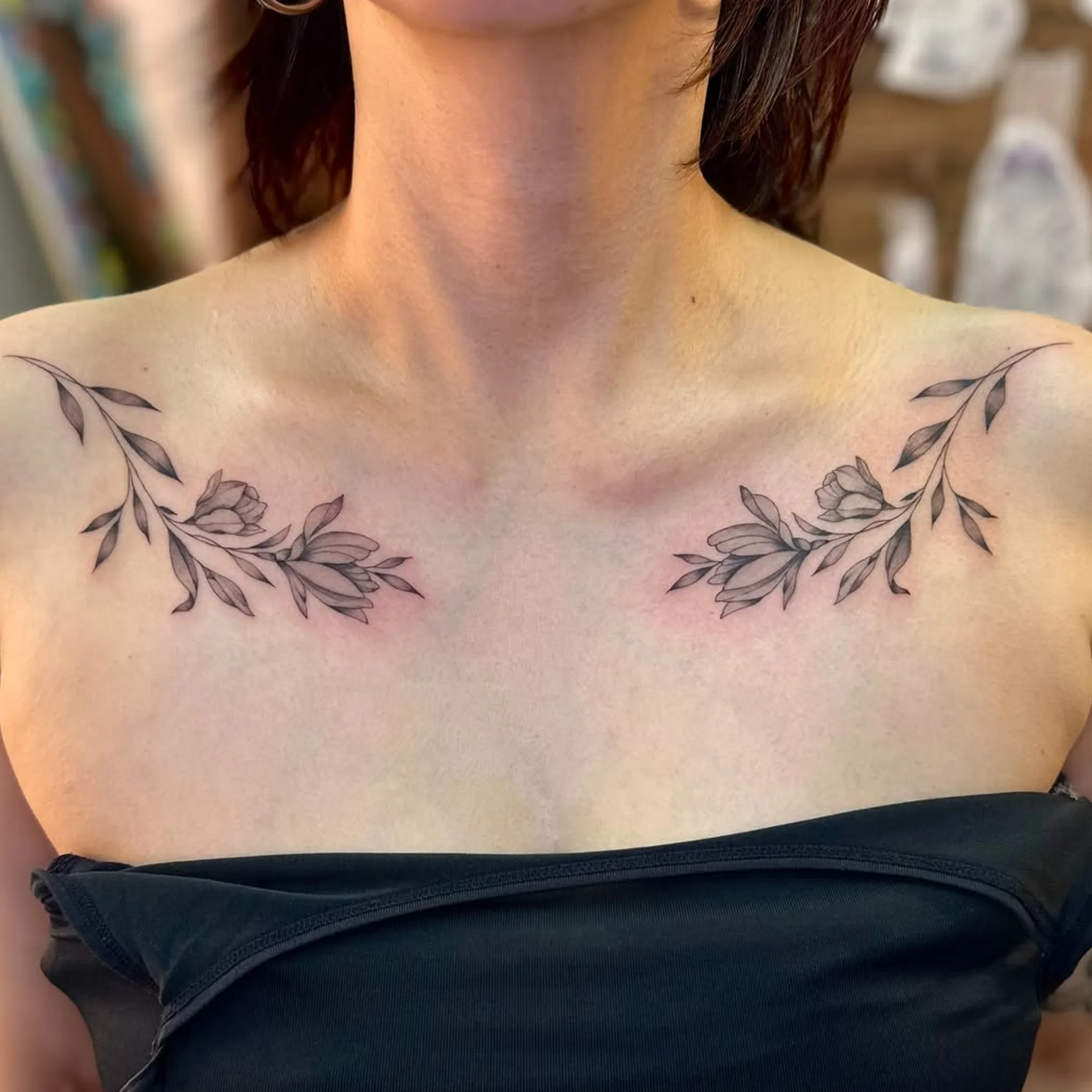
What you put on your body is subject to pain, visibility, clothing and how it will age. Make your choice with an eye to your sport, work and swimming.
Some will find a shoulder piece suits their outdoor weekends, others an inner forearm as a daily reminder of home.
Common Placement Options
| Placement | Works Well For | What Can Catch You Out |
|---|---|---|
| Inner forearm | Good for a visible personal design or a medium sized botanical | Workplace visibility and the sun |
| Upper arm | Colour, shading and any plans for a floral sleeve down the arm | The design is easily concealed under clothes if you wish |
| Shoulder blade | A wider composition with branching flowers is possible here | Difficult to keep an eye on in the healing process |
| Ankle or calf | Good for small Australian flower tattoos of a simple stem | Movement and sock friction while it heals |
| Ribs | Private designs and long stems | A more uncomfortable proposition for most |
When the time comes to make a decision in a day, put the placement and the flower before trying to fix on a colour palette. Stand at a normal distance and put a photo on the stencil of it. What seems ideal when you are contorted before the mirror may look overdone once your arm is hanging of its own accord.
Appointment Checklist
- Have two or three good botanical references to hand, not a screenshot that has been run through too many filters.
- Make the tattoo artist aware of what you want in terms of size, visibility and meaning, as well as any future work you have in mind.
- Inquire as to how the piece will age and what their aftercare and touch up policy is, and see some healed examples.
- Any skin conditions, allergies, medications or other concerns should be put on the table prior to the appointment.
- Do not book right before a stint of swimming or sport, or a long drive on a dusty road; have your transport home sorted.
Pick Your Artist
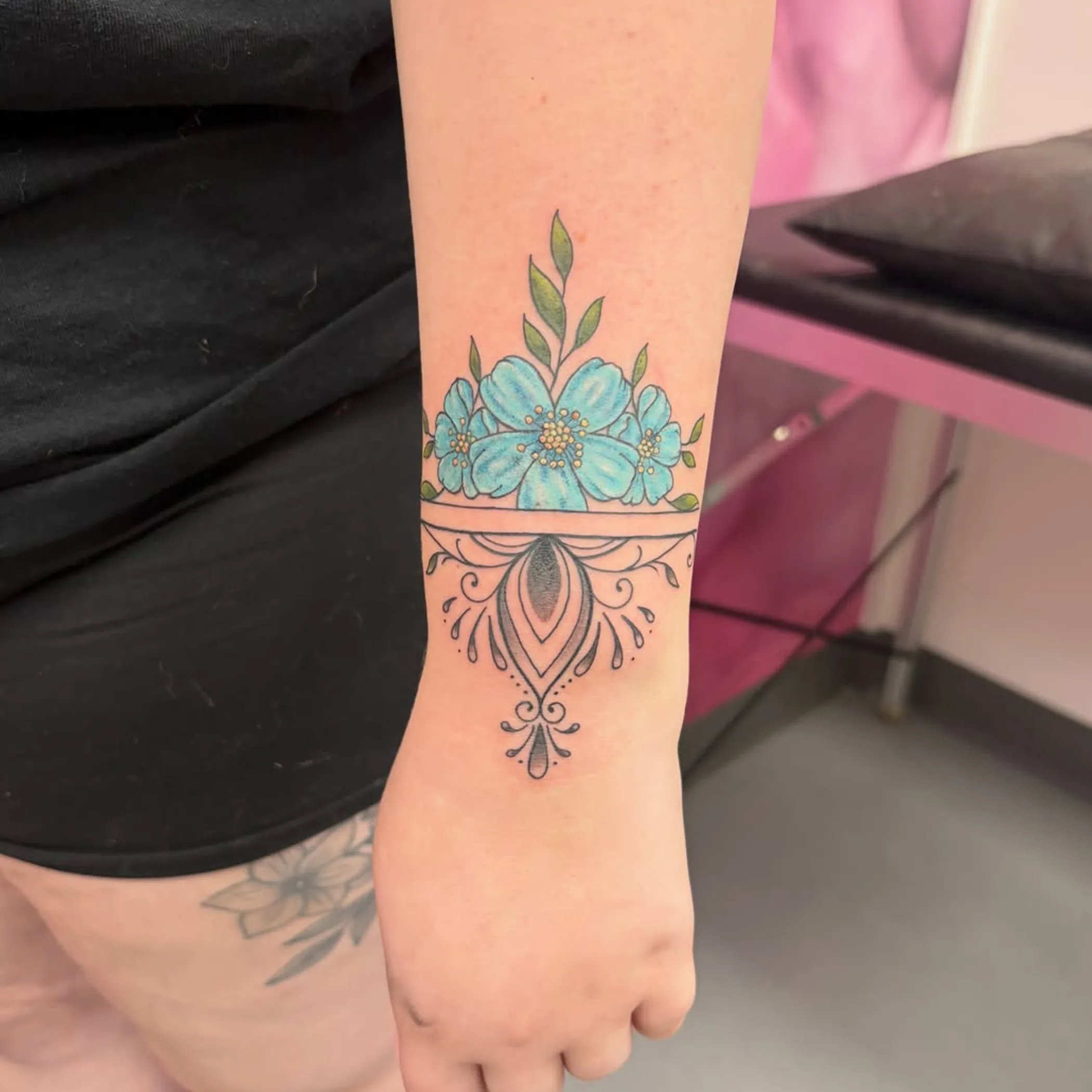
You would do well to find an artist with a portfolio of clean lines, good botanical structure and healed work that is in keeping with your vision. The artist is as important as the flower itself. Some are led astray by an ability to draw flowers in general. An artist must know how to render an Australian native without diminishing its character.
On Cost And Timing
One will not find a national price for an Australian flower tattoo. Studios set their own hourly or minimum rates and the tab will be influenced by the detail, the artist’s demand, size and whether it is to be part of a larger sleeve. Put in for a written quote in AUD to cover the deposit, length of the session, payment and the like. Do not go with the cheapest unless you have seen the quality of the work and the hygiene.
Cultural Considerations
There is a strong link between Australian floral imagery and Country, family and identity. It is not a free pass to employ cultural symbolism that does not belong to you; do not reproduce Indigenous sacred designs or motifs of any kind without the requisite permission and understanding.
For those travelling, the rule is the same as on the Gibb River Road or the Stuart: check the conditions first. Long distances, wet season floods or a summer bushfire closure can put a spanner in your works, in the Top End or the Pilbara for instance.
Australian Native Flower Tattoo FAQs
I would put these questions to the artist before parting with a deposit. They get to the heart of technique, planning and popularity.
What is the most popular?
The waratah and wattle come to mind as being very recognisable with their clear visual identity and Australian ties. But the best one is the flower you can put your own words to.
Symbolism
It is a matter of personal interpretation rather than something fixed. They stand for home, memory, optimism, resilience or a connection to the bush. Make a note of what the flower means to you ahead of your consultation.
Small tattoos
An everlasting daisy, eucalyptus or a boronia will do nicely. A kangaroo paw in a neat outline is fine too. Just do not try and cram too many fine lines and petals into a small space.
Placement
The inner forearm, shoulder, ankle and upper arm are all sound options. Factor in the sun, clothing and the demands of your job, and whether you might want to build on the design.
Fine line
Provided the artist has the experience and the tattoo is of sufficient size. In a tight spot fine line is not so forgiving; a photograph of a fresh tattoo is no substitute for a healed one.
Cost
Too much variation to be honest about any national figure. Get a quote in AUD for the studio minimum and the rest.
Resilience
The waratah or banksia are often picked for this. Sturt’s desert pea is apt given its association with arid country. But nothing beats a flower that has some bearing on a challenge you have put behind you.
In the end
Not every top tier Australian flower tattoo has to be the biggest or most elaborate. It is the story and the placement and an artist who knows his plants that count. Have a reason for it and a realistic notion of the size. Do your due diligence on the reference and the aftercare and let the design have room to breathe. You will be glad of it in 2026 when the novelty has worn off.
