Cleaner Windows All Year Round
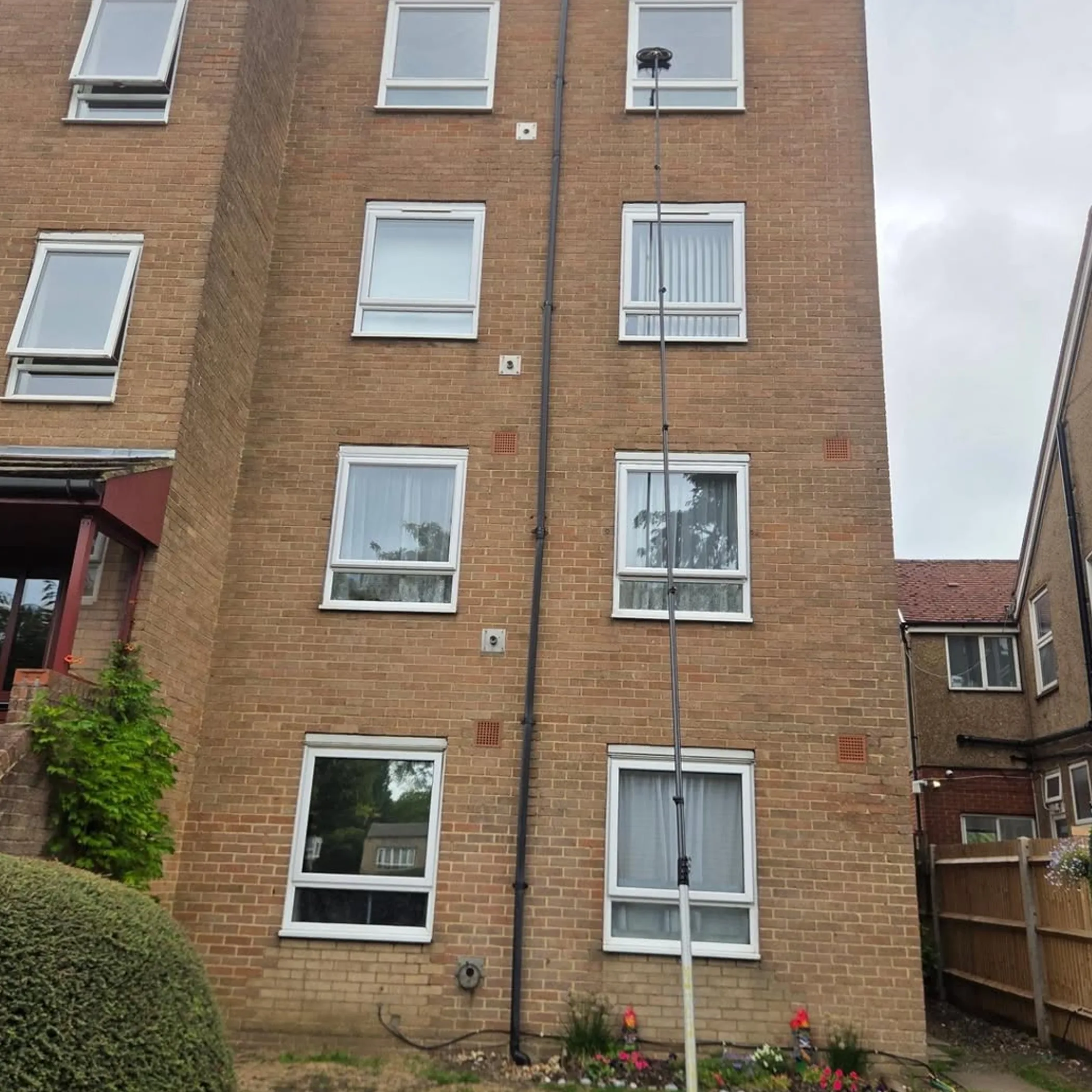
The question of what are the best seasons for window cleaning in Australia 2026 is easily answered. In the south you will find autumn and spring to be the most dependable, northern parts of the country fare better in the dry season. Such times present more clement weather and drying conditions with less of an extreme than one would encounter in the height of summer or winter.
Then again, Australia is a large and somewhat awkward place. What makes for a fine day to clean your windows in Hobart could be a mistake in Darwin; a spring in Perth has a way of churning up wind and dust so that the glass is as bad as when you put the ladder away. I am Cassian Hughes and my years on the coast have taught me that the squeegee is only half the equation, timing is the rest. For practical comparisons, see these cleaning tool effectiveness tests.
Two to four cleanings of inside and out glass a year is a sensible approach for the majority of homes. But where there is bushland, farms, construction or a busy road, salt, soot and insects will accumulate at a quicker rate and demand it be done more often.
Seasons By Region

There is no single calendar in Australia that is of any use for window cleaning. The dictates of the region in terms of rainfall, wind, salt exposure and pollen will determine the right time. Pick the season that is calmest and allows the screens and frames to dry off.
| Region | Most Suitable Period | What Helps | What Catches People Out |
|---|---|---|---|
| Southern states and Tasmania | Autumn and spring | Manageable conditions, milder temps | Frost, cold rain, short days and pollen |
| Perth and the WA south-west | Spring and late autumn, or in between the rains in winter | Temperatures are moderate and there are clear breaks | Salt spray, the odd gust from the coast and dust in spring |
| Brisbane and the Queensland coast | Late autumn to winter | You get lower humidity and are not at the mercy of storms | Mould, the summer humidity and its sudden downpours |
| Top End and north Queensland | Dry season | Easy access and not much rain | Cyclones, lightning and the wet-season humidity |
| Red Centre and the inland | Autumn, winter and into spring | No heavy rain and the air is drier | Afternoons can be very hot, mornings cold and there is always fine dust |
For the official word on climate and warnings, look to the Australian climate information and outlooks from the Bureau of Meteorology. Before you book in a professional or put out a ladder, check the forecast, especially in the event of heatwaves or cyclone activity.
A Reset For Your Glass In Autumn
In Sydney, Melbourne, Adelaide, Canberra, Perth and most of Tasmania, autumn is by far the most even handed season for it. The fingerprints, insect marks and summer dust have had their time but it is not as trying as January or February.
It is also a good opportunity to see to the sills, seals and flyscreens ahead of winter. On a coastal rental I was once at, the glass from the street was fine. Inside the tracks were another story, full of sand and dead mozzies and something like a piece of beach towel. To have just gone over the panes would have been cosmetic at best.
Make sure the day is without rain or much wind. In the cooler climes let the condensation go first; if the glass is still damp and cold any solution applied will not evaporate readily and you will be left with streaks.
Weather Windows In Winter
Parts of northern Western Australia, the NT and Queensland are well suited to winter cleaning. Further south it is a matter of when you can do it. You might have a clear day and do an excellent job, then a cold front comes along with no regard for your plans.
Before putting a property on the market for rent or sale it is a useful exercise, as the low sun in winter does not forgive a neglected corner or a smudge. It is practical for mirrors and interior glass too when it is not safe to be outside.
But do not be tempted to work on the exterior in strong winds, hail or a frost. Cold hands and a wet ladder are a poor mix. If you cannot hold three points of contact or handle the gear with confidence, leave it to someone qualified.
Spring Will Show The Grime
With the longer daylight hours of spring there is no hiding dirty glass. Much of the home will be littered with cobwebs, bird droppings and the likes. Some will want to get on top of it before the worst of the pollen arrives, though if you have flowering trees about you may have to make another pass of it later on. One should not assume spring is ideal. The wind in Perth and the country can put a film of dust on glass you have just put to rights. And in the south of Australia a morning that looks set to be good can be put paid to by an unannounced shower. The way to go is to book with some flexibility, have an eye on the forecast and not do any cleaning right ahead of a change in the weather.
There is a common error made in cleaning the glass while leaving the screens to it. From within, a well polished window will seem dull if the screen is soiled. Do take out your screens but only where you can label and put them back with no trouble; force a brittle frame and what was a job of cleaning becomes an expensive fix.
Summer Has Its Place
Summer has its place in Tasmania, in some elevated inland or southern coastal spots provided it is mild. But for the greater part of mainland Australia the heat is an impediment. You may find the solution dries on the pane before you have squeegeed it, putting marks on it worse than the grime was. An early start is cooler yet there is dew and condensation to contend with. Later in the day is more agreeable but you will miss a streak as the light goes. Working in direct sun on hot glass, upper storey windows in particular, is best left alone.
Then there is northern Australia where summer and the wet are one and the same. With tropical systems, lightning and the sort of humidity and heavy rain that makes outside work unsafe, one would be unwise to clean. Cyclone warnings are a fact of life from November to April in those parts but the calendar is no substitute for heeding official advice.
Match Cleaning To Conditions
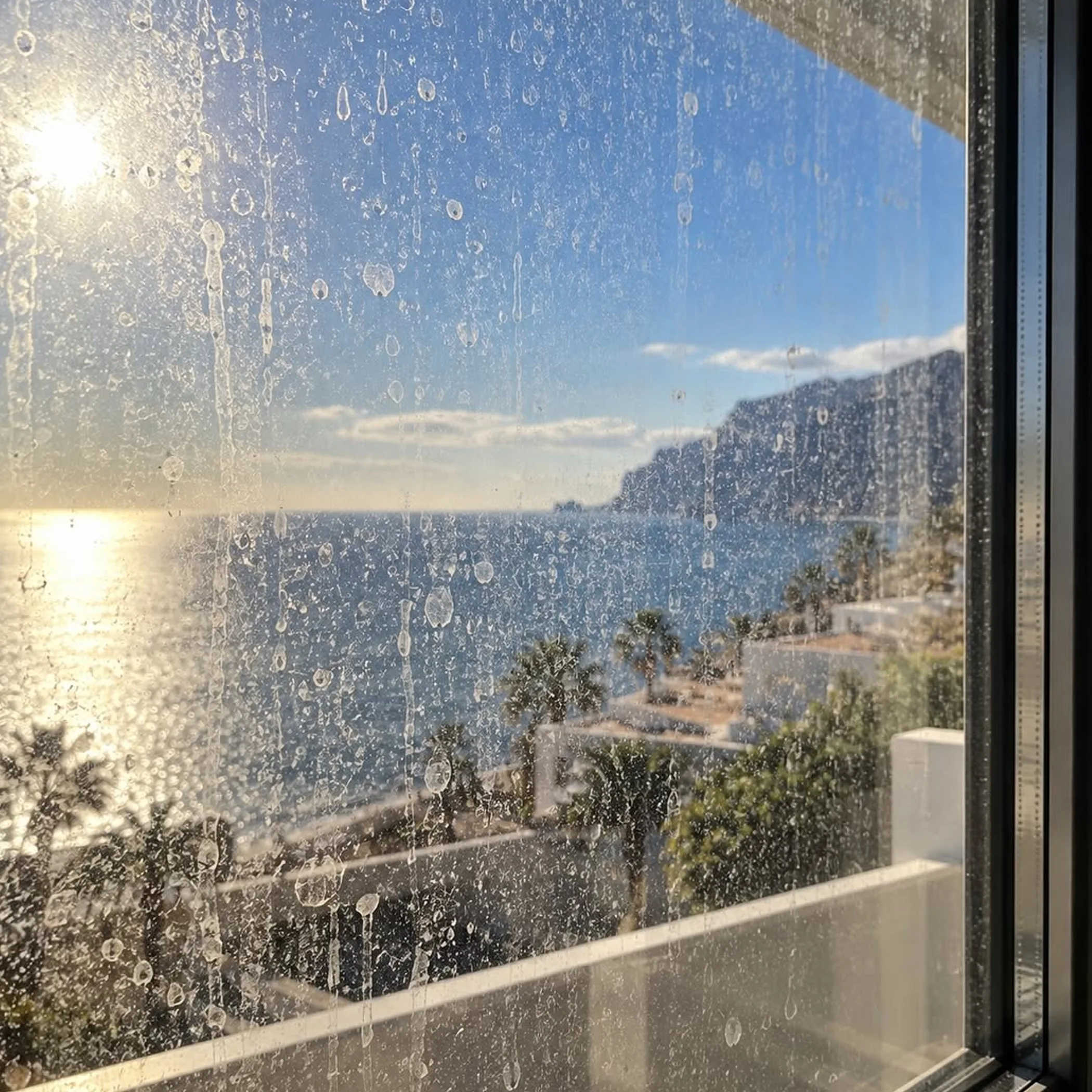
It is all about matching the cleaning to the conditions. A flexible appointment is worth more than picking a month at random since the weather will dictate the finish and safety of the work.
Use A Practical Weather Check
A sensible check of the weather calls for moderate temperatures, no rain and sufficient daylight to see how the job has turned out, and little in the way of wind. Wind is a bigger factor for the homeowner than is thought, unsettling ladders and catching at poles. Glass that is frozen, very hot or in the path of a strong gust is to be avoided.
For a single-storey home you can put down two to four hours for a proper job of it, windows and tracks included; a small flat will not require as long. Something like a heritage property or a multi-storey with salt and mineral deposits is another matter. These are working estimates though, not a given. The real-estate listing will tell you the floor area but it does not account for the number of panes or the state of the water.
Protect People And Property
Safety must be considered when dealing with heights, chemicals and electrical hazards. Put the children, pets and any blue-tongues at a distance. See that hoses are not a trip hazard in the hall or on the footpath and clear the furniture from inside windows. There is no standing on a chair or an uneven ladder to get at an upper exterior window, extension equipment or a platform is called for. On the coast you will come across fittings on buildings that appear fine until you put some pressure on them.
As for the chemicals, never put together a cocktail of vinegar, bleach and ammonia. It is not clever. Heed the label and ventilate. Give natural stone and painted surfaces some protection from anything they cannot stand.
Use The Right Cleaning Method
The method is as important. Frames and tracks first. A brush or vacuum will see to the loose grit before it is worked into a paste. Screens should be washed and rinsed on their own and dried. For most windows a squeegee, microfibre cloth and detergent will do. Where there is silicone or hard-water spotting you will want specialist tools. Scrape an inconspicuous spot to be sure you are not going to mar the glass. Do not be taken in by product hype; what is good on a shower screen may not be fit for purpose in an Australian home.
Budget For A Proper Clean
Prices will be different from state to state depending on access and build-up. Do not make much of an online figure. A quote from a professional will make plain what is being charged for and why.
Estimate The Main Costs
A no-frills professional will often put a price in the low hundreds of dollars for a visit to an unassuming one-storey house where access is not an issue. But with a two-storey or a bigger home, add in skylights, security screens, hard-water staining and the like and the cost can be put up considerably.
It is worth enquiring as to what the quote covers: internal and external glass, mirrors, flyscreens, frames and tracks, travel, water-fed poles, mineral deposits and so on. One cleaner may charge by the pane, another will have a minimum call-out fee or go by the property.
There is a saving to be made doing it yourself with the right equipment, provided you have it. A good squeegee, some washable cloths, a bucket, detergent, a screen brush and new rubber are required. Do not be taken in by the most inexpensive kit; if it is prone to leaving lint, has to be replaced in short order or tempts one to be unsafe on a ladder, it is hardly economical.
Book Around Local Demand
The spring months and the run up to an inspection of a property are apt to be busy times. Make arrangements in good time for a lease handover, a sale campaign or holiday let rather than at the eleventh hour; a hasty booking does not allow for weather holding up the work or for the cleaner to come back over any missed spots.
Coastal dwellings might be better off with a maintenance clean every three to six months or so, contingent on exposure. Where there is a farm, construction or a thoroughfare nearby more frequent attention is called for. It is better to judge the condition of the glass than adhere to some set schedule. From normal viewing distance, if you see salt, pollen or dust, the window will tell you it is time.
A Simple Cleaning Checklist

A few lines on a checklist can stave off the usual error of making a show of the obvious panes and letting the rest of the house look shabby. It is also a means of putting a fair comparison on quotes from professionals and not being charged twice.
- Look at the forecast for wind, heat and rain, and the state of access.
- Give ladders, hoses, electrical leads, poles and the ground a once-over.
- Do the frames, sills, screens and tracks first, then the glass.
- See if there are any paint, stickers, scratches or hard-water marks to report, and check the seals.
- In natural daylight make sure the job is done by looking from either side.
- Put down any damaged fittings before you start so there is no question as to who is responsible.
For a rental, a property under an owners corporation or one being put on the market, photographs at the outset are advisable; they are useful to have when there are old scratches or a cracked screen to account for.
Setting Expectations
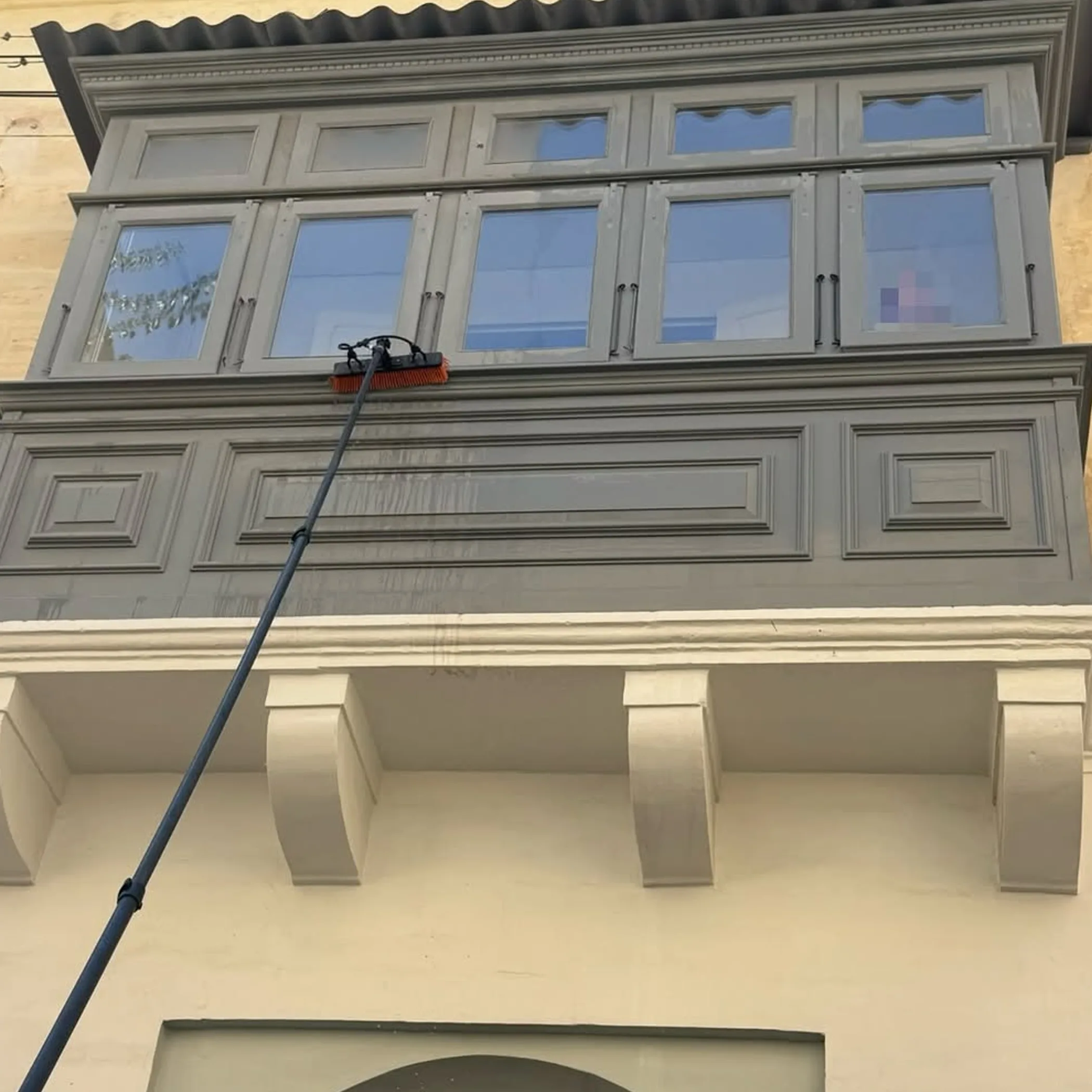
One should not think of window cleaning as a magic eraser. While well timed it can do wonders, but nothing is going to put right a scratch, a bad seal, corroded frame or permanent etching from minerals. To know that is to save money and sidestep the embarrassment of a cleaner being held to account for a window already on its last legs.
Expectation Versus Reality
You may expect a spring clean to leave windows in pristine order for months. The reality is that rain, dust, pollen and coastal salt will put an end to that in no time.
Sunshine would seem a help. In fact the direct rays can have the solution dry too fast and put marks on display before the cleaner is through.
The lowest quote is assumed to be all inclusive. Not so, as height access, skylights, hard-water stains and the like are likely to be extra.
And while one could wish to clean every window from within, some upper-storey panes and those with security screens are best left to a specialist.
The Right Approach
With a single day to spare, put your efforts into the windows and glass of the kitchen and living areas, as well as any sliding doors or panes that are in the path of the afternoon sun. They make all the difference to the overall feel of the home. As for upper-storey glass you can not get at, let a pro handle it; there is no point in making an emergency-department tale out of a bit of tidying.
What follows is work for those who have the ability to manage their equipment and water, reach the windows with safety and know when a surface calls for something more specialised. It is not something for a novice to be at with a chair, an unsteady ladder, some contrived pole or chemicals they do not know.
Renters would do well to check with the property manager on any handover stipulations. Landlords should have screens, tracks and external access set down in writing. A business might want to do its cleaning outside of peak hours and see to public-liability matters first.
A Sensible Way To Finish
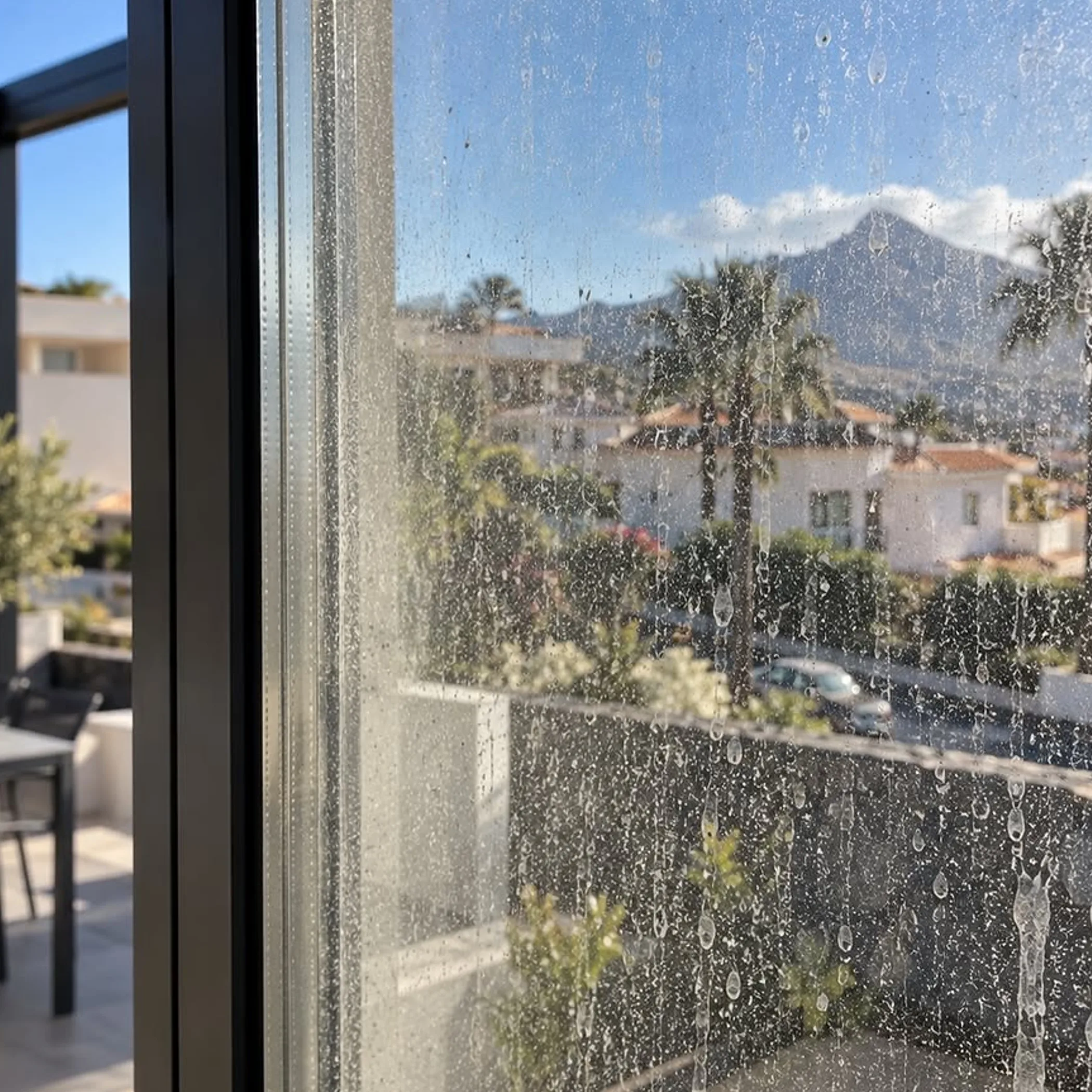
In Australia the season for window-cleaning is dictated by the location of the property and what it puts on the glass. The southern regions are best served by autumn and spring, Queensland and the north will find winter agreeable, and the Top End and tropical north are left with the dry season as the sensible option.
Make time for it on a calm day and give the frames and screens a once-over. There is satisfaction in a clean window but not if it means a fall, a seal ruined or running after a mozzie-infested ladder, so take safety in stride. You will generally be better off with a flexible routine over the year than one heroic scrubbing.
Some Questions On Window Cleaning
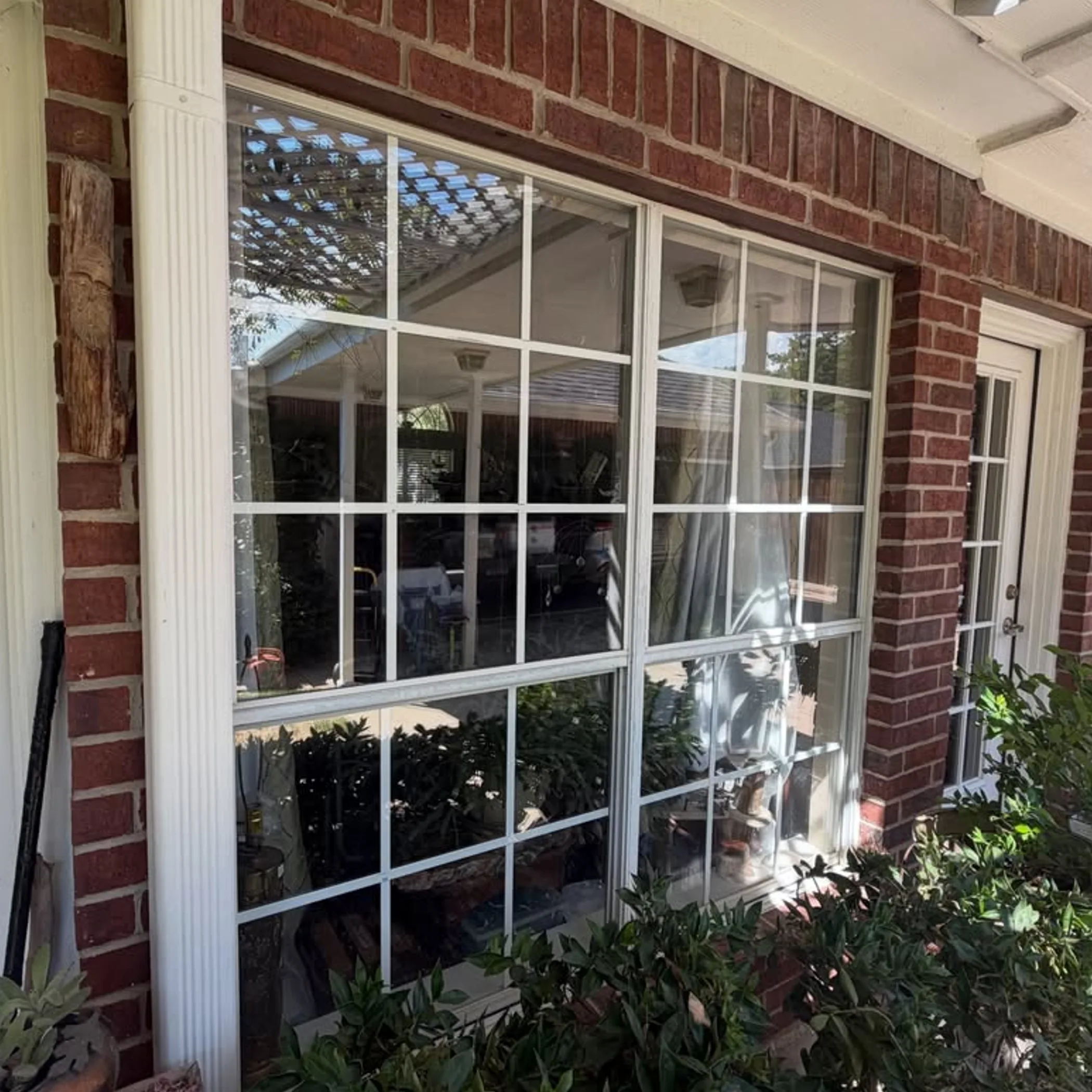
After a quote has been put forward, or a date made, or one finds the “clean” window is still cloudy, these are the practical matters that tend to come up.
Is spring invariably the time to do it?
Not of necessity. While it works in much of the south, wind, dust and pollen can see the job undone in short order. Autumn is often calmer and late autumn or winter will suit parts of northern Australia and Queensland. Go with the season and local exposure.
What about rain?
It will not harm the glass but light rain is an interruption and will water down your solution. Then there is the matter of quality and safety with heavy rain, storms and gale force winds. Put off any external work until the conditions are more predictable.
How frequently for a home?
Two to four times a year is enough for most. But where there is dust, or you are in a rural, coastal or high-traffic spot, you may have to be more assiduous. It is a question of presentation and what is building up from pets, trees and the like.
Will hot weather speed things along?
As a rule, no. The heat dries the solution in a hurry and you are left with streaks and more passes. Stay in the shade and away from the height of the day so the glass is workable.
Do screens and tracks come with the territory?
That is a matter for discussion before you accept the quote. Left to their own devices, the dust and insects in them will put a dullness on the glass. Mind you, some are hard to remove or fragile, and a fitting in need of repair is not something you can clean.
